

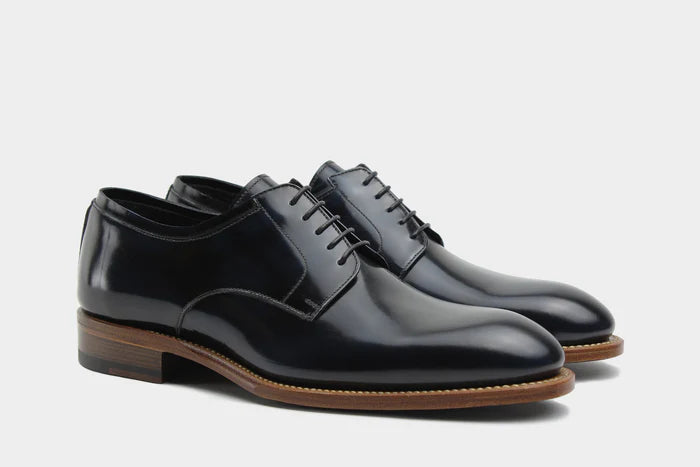
History of the Derby Style Shoe
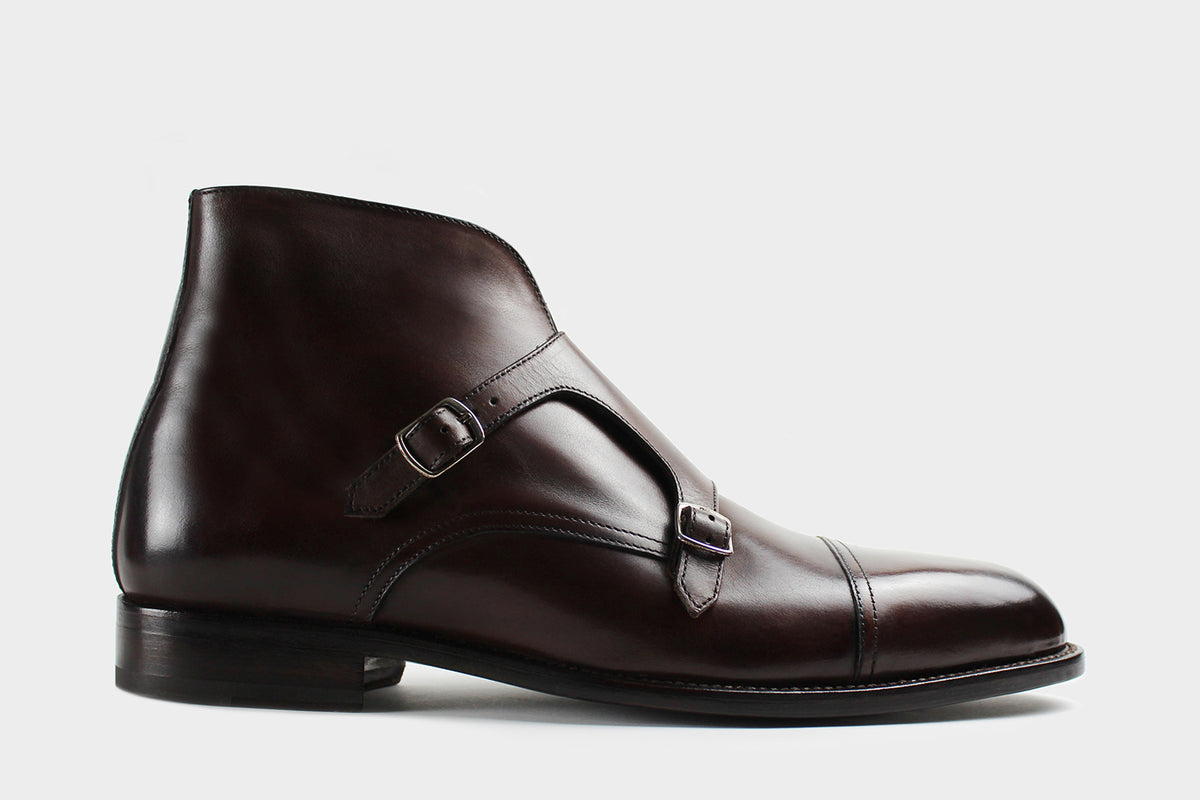
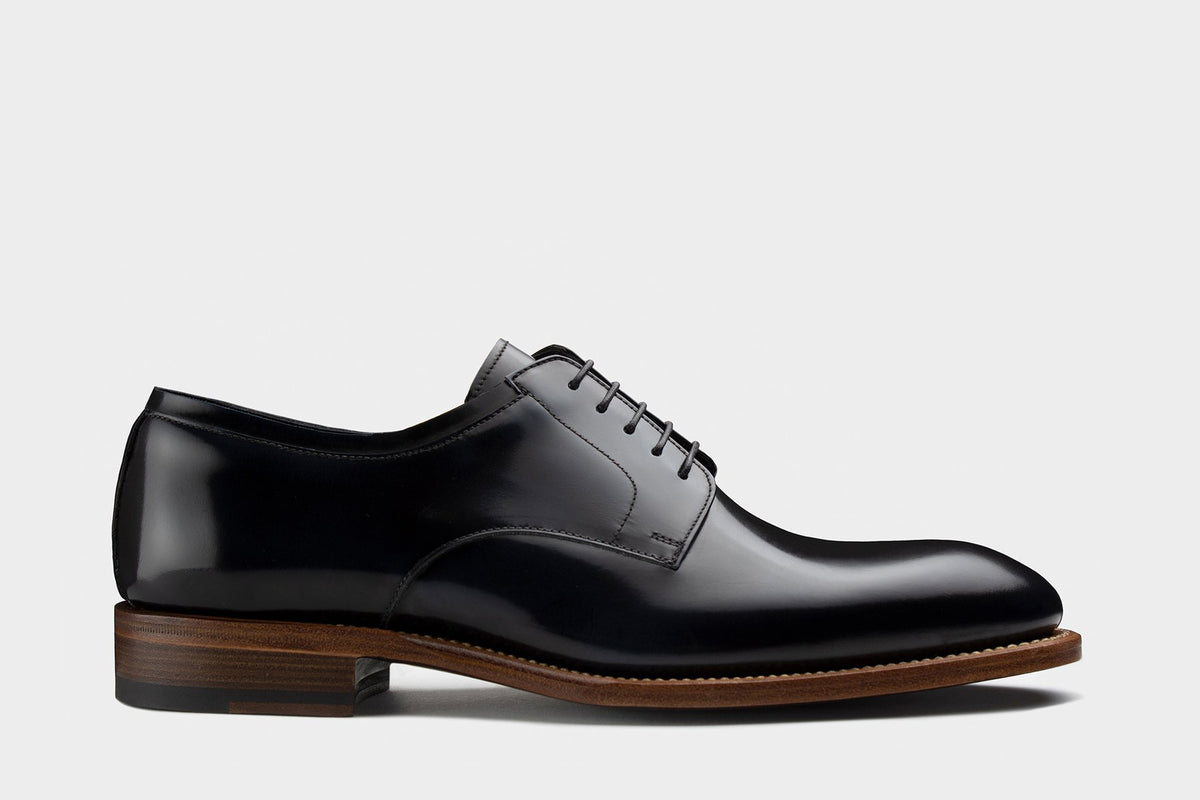
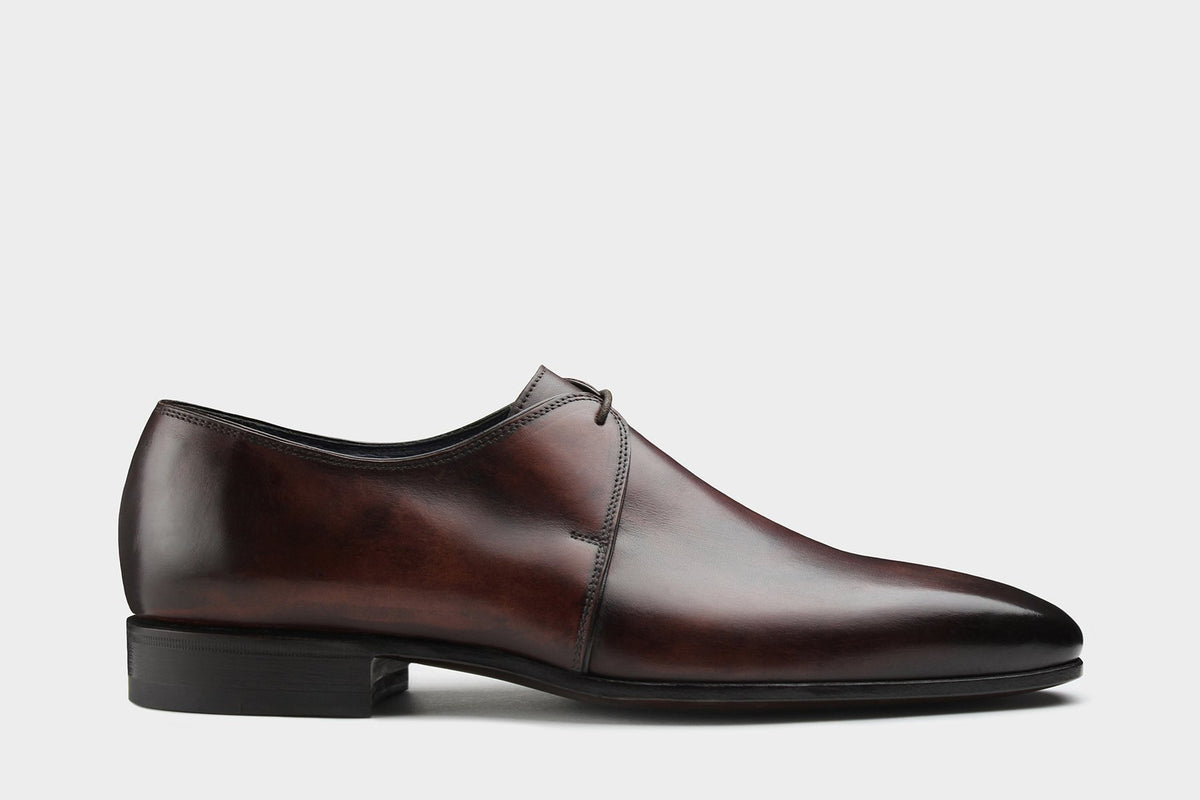
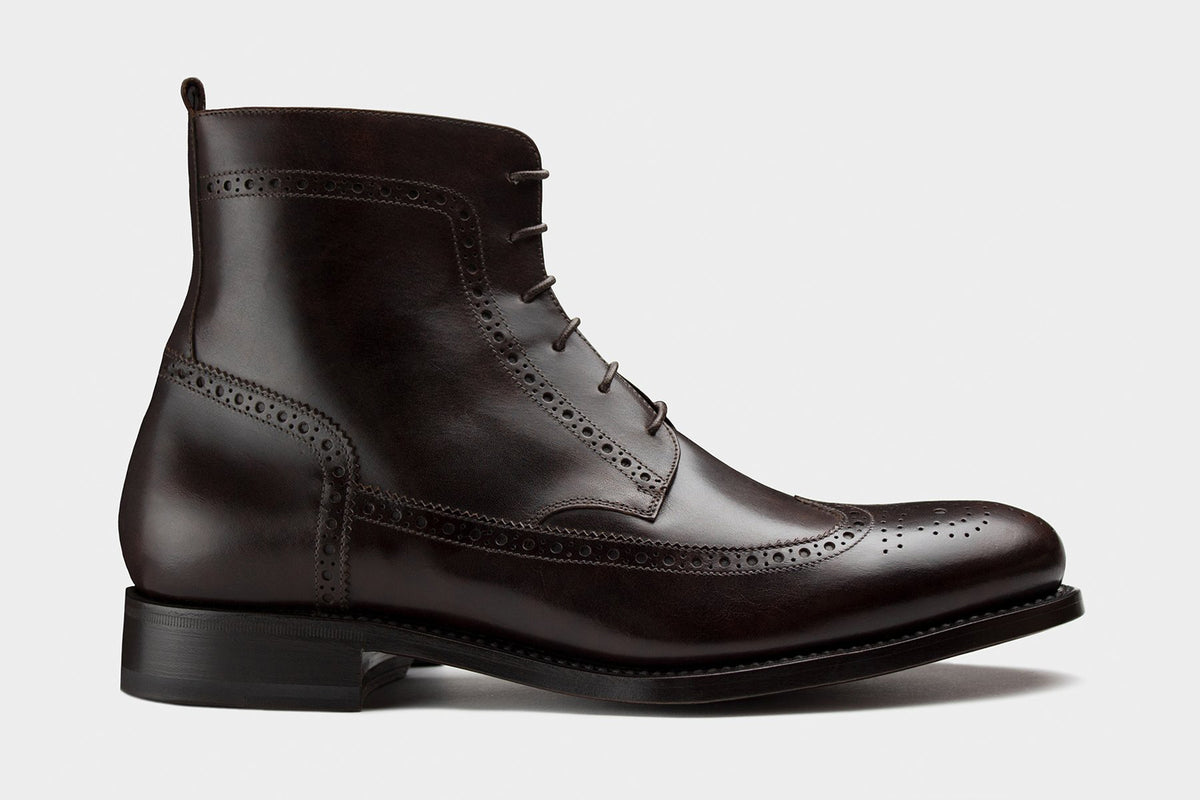
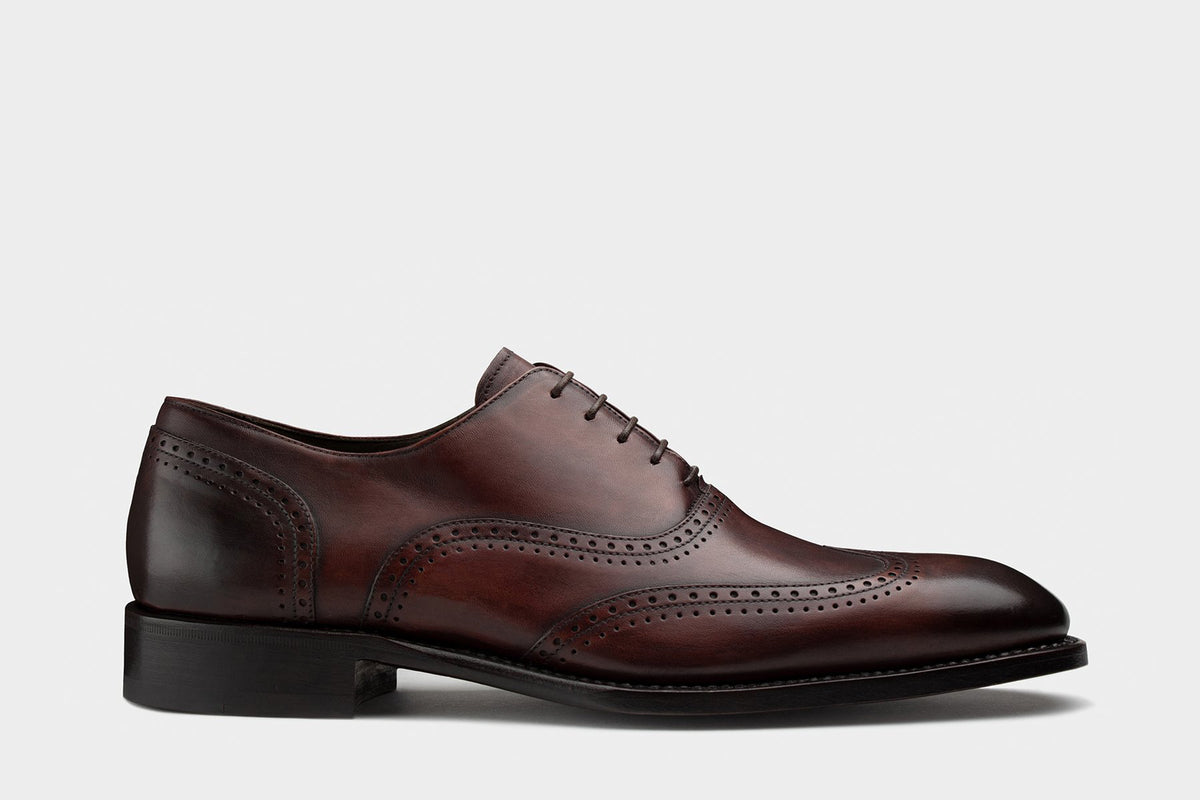
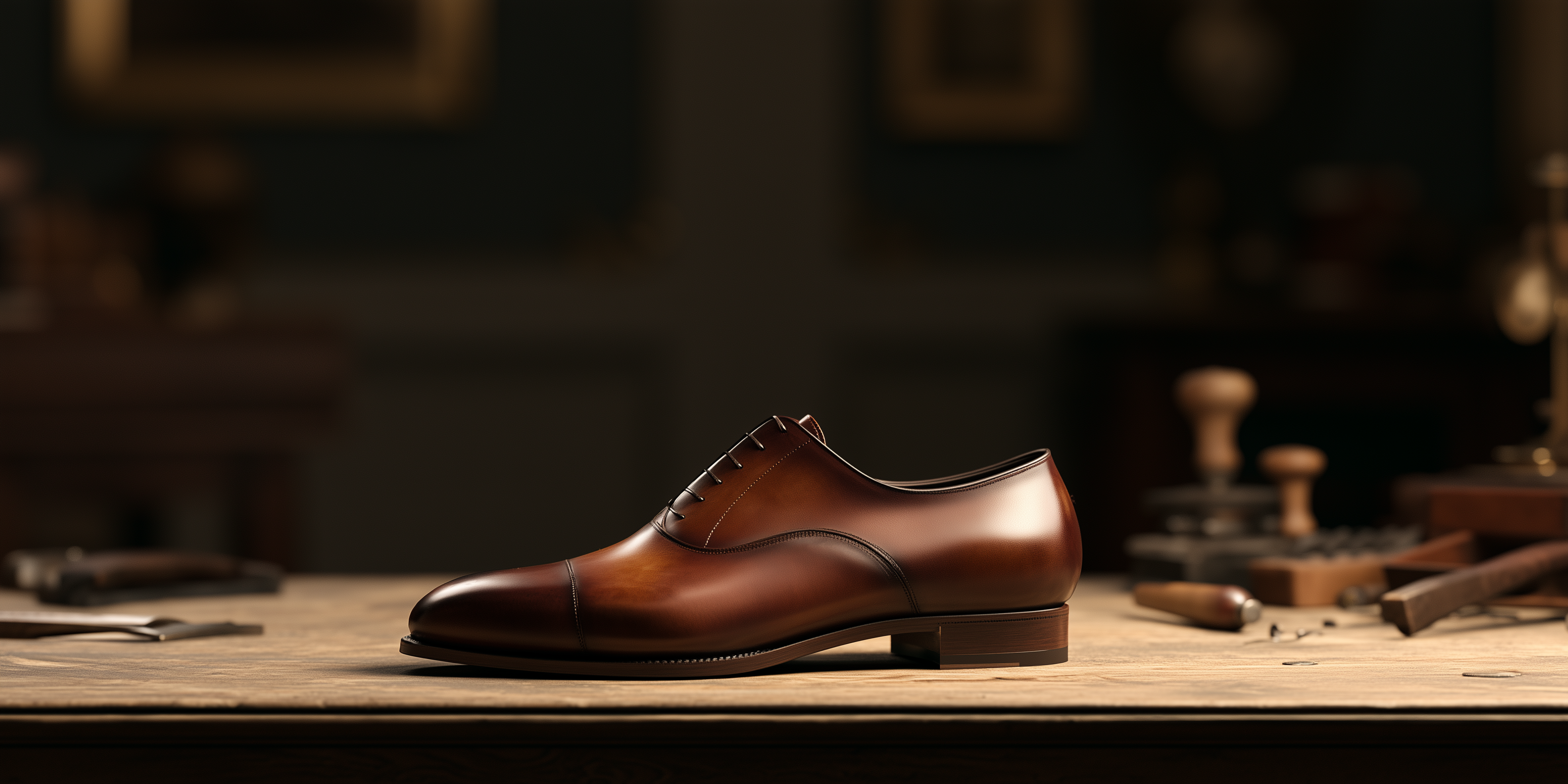
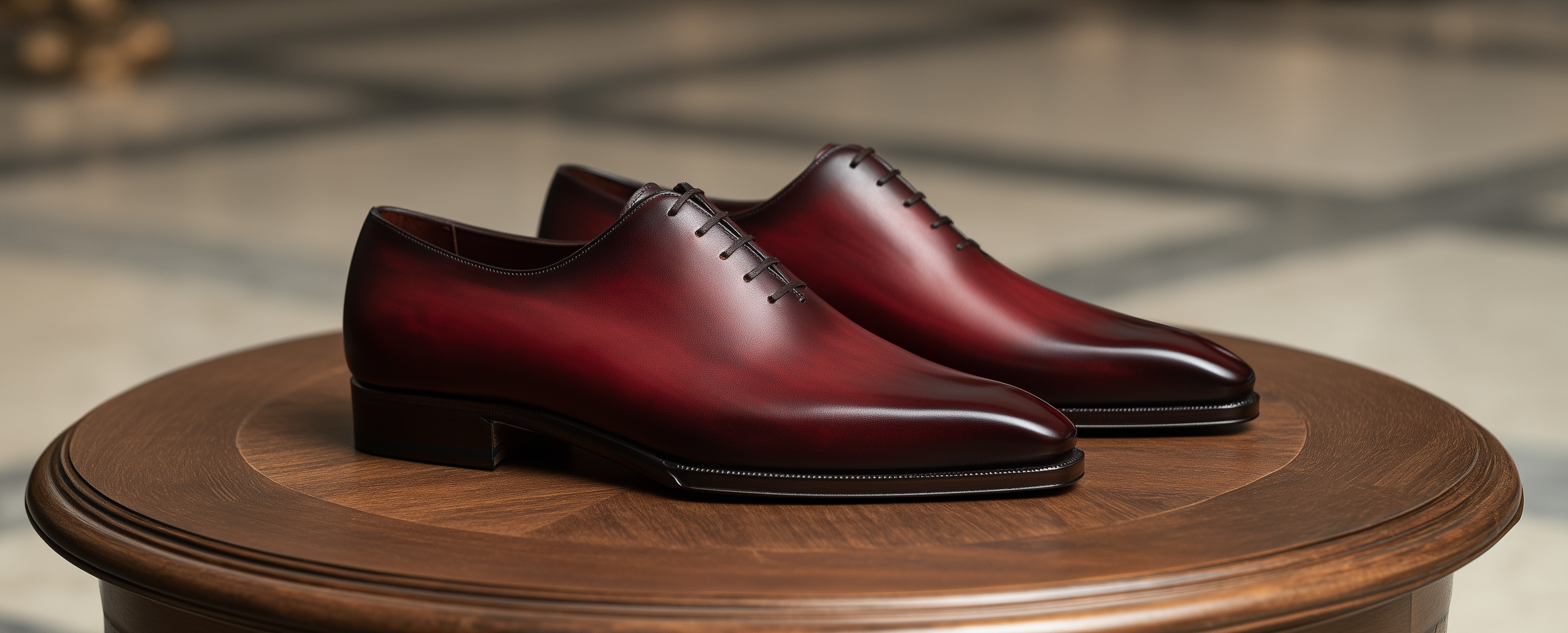
The derby style of shoe is a classic men’s shoe design that has been around for centuries. It is characterized by its open lacing system and its ability to hold the foot firmly in place without the need for a heel counter. The derby shoe is often constructed from leather, although canvas and other materials are sometimes used. This style of shoe has been popular amongst men for centuries and is still a favorite amongst men’s shoe aficionados.
History
The derby style of shoe can be traced back to 17th century England. The original design of the shoe was based on a style of riding boot developed for the Duke of Devonshire in the late 1600s. These boots featured an open lacing system, which allowed the wearer to easily remove and adjust the fit of the shoe. The boots were dubbed “derby boots” after the Duke’s title. In the 19th century, the same style of shoe had evolved into what is today known as the derby style of shoe. During this period, the derby shoe became popular amongst men, and was considered a symbol of sophistication and class. The style of the derby shoe has remained largely unchanged since the 19th century, and it is still a popular style of shoe amongst men.
Characteristics
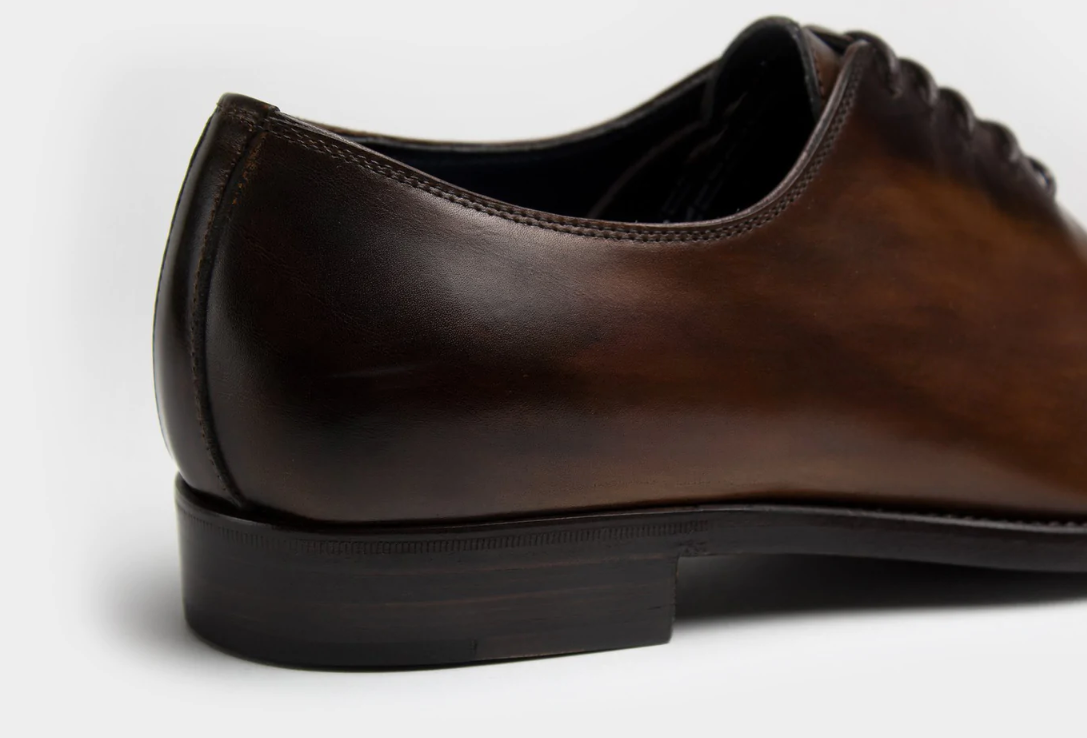
The classic men’s derby shoe design is characterized by its open lacing system, which allows for easy adjustment of the fit. This open lacing system also allows for flexibility and breathability, as the lacing does not create an impenetrable wall around the foot. The derby shoe also does not feature a heel counter, which makes it more comfortable to wear than many other types of shoes. The classic derby shoe is typically made of leather, although canvas and other materials have been used. The sole is often made of a flexible rubber material, which makes the derby shoe a great choice for everyday wear.

Leave a comment
This site is protected by hCaptcha and the hCaptcha Privacy Policy and Terms of Service apply.