

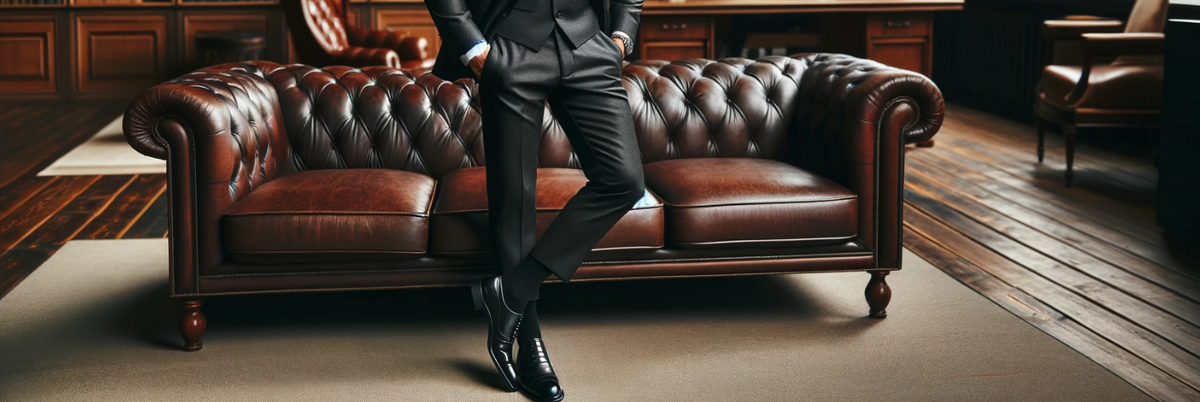
The Economics of Bespoke Shoes: Are They Worth the Investment?
Bespoke shoes, the epitome of luxury and craftsmanship, have long been a symbol of sartorial elegance. However, their price tag often raises the question: are they worth the investment? In this comprehensive blog post, we will explore the economics of bespoke shoes, analyzing the cost, benefits, and long-term value they offer. By the end, you will have a clear understanding of whether bespoke shoes are a wise investment for your wardrobe.
Understanding Bespoke Shoes
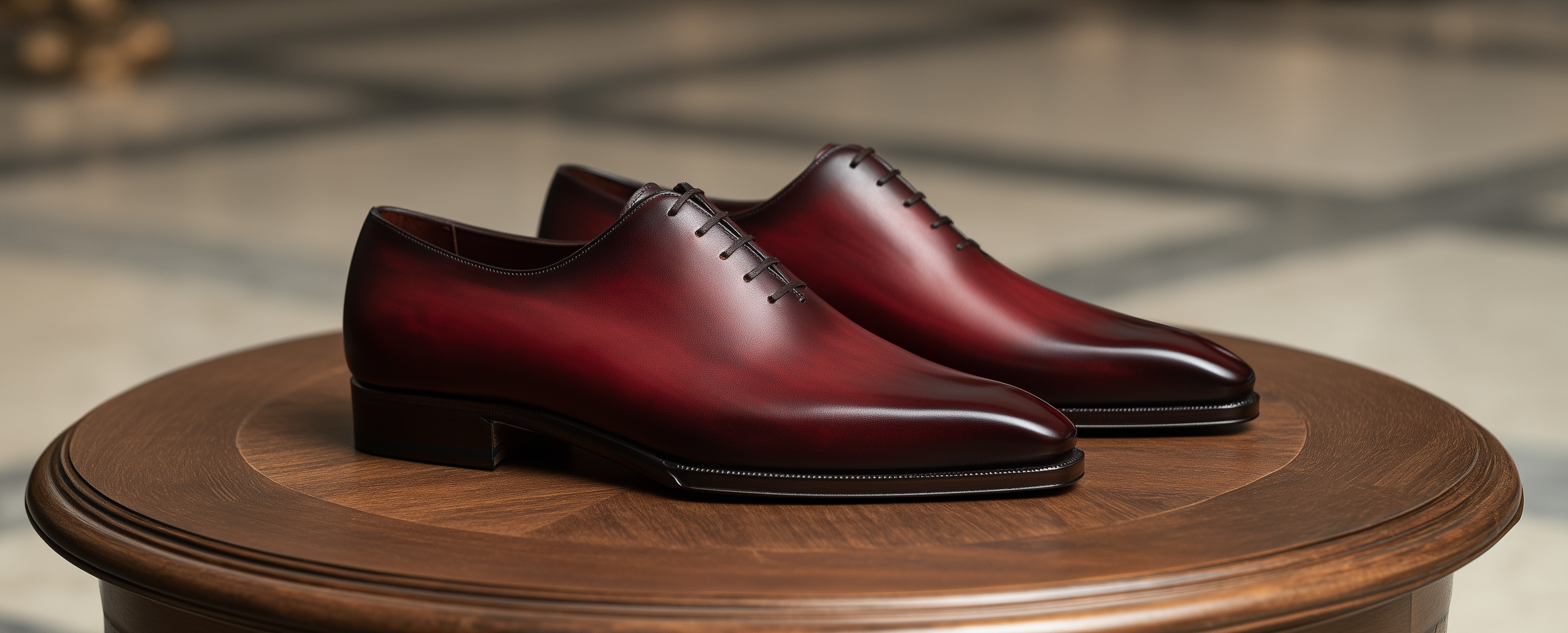
To fully appreciate the value of bespoke shoes, it's essential to understand what sets them apart from other types of footwear. Bespoke shoes are custom-made for an individual, tailored to their precise measurements and specifications. This process involves creating a unique last (a mold of the foot), selecting high-quality materials, and handcrafting the shoes to the highest standards.
Key Features of Bespoke Shoes:
- Custom Fit: Each pair is made to fit the wearer's feet perfectly, providing unmatched comfort and support.
- High-Quality Materials: Bespoke shoes are crafted from the finest leathers and materials, chosen for their durability and aesthetic appeal.
- Artisanal Craftsmanship: Skilled artisans meticulously handcraft each pair, ensuring attention to detail and superior construction.
- Personalization: Clients can choose every aspect of the shoe, from the design and color to the type of leather and stitching.
The Cost of Bespoke Shoes
One of the primary factors that deter people from investing in bespoke shoes is the cost. Bespoke shoes are undeniably more expensive than mass-produced footwear. However, it's crucial to understand what you are paying for and how these costs translate into value.
Factors Influencing the Cost:
- Labor and Craftsmanship: The bespoke process is labor-intensive, involving numerous hours of skilled work. This craftsmanship is reflected in the price.
- Materials: High-quality materials are more expensive than those used in mass-produced shoes. The leather, lining, and soles are all carefully selected for their durability and comfort.
- Customization: The level of personalization available in bespoke shoes adds to the cost. Creating a unique last and allowing clients to choose every detail of the shoe requires additional time and resources.
- Overheads: Bespoke shoemakers often have higher overhead costs due to the specialized nature of their work and the need for a dedicated workshop.
What bespoke shoes cost at Bondeno:
- Blake-stitched bespoke shoes: $1,990
- Goodyear-welted bespoke shoes: $2,485
- Bespoke ballet flats: $1,990
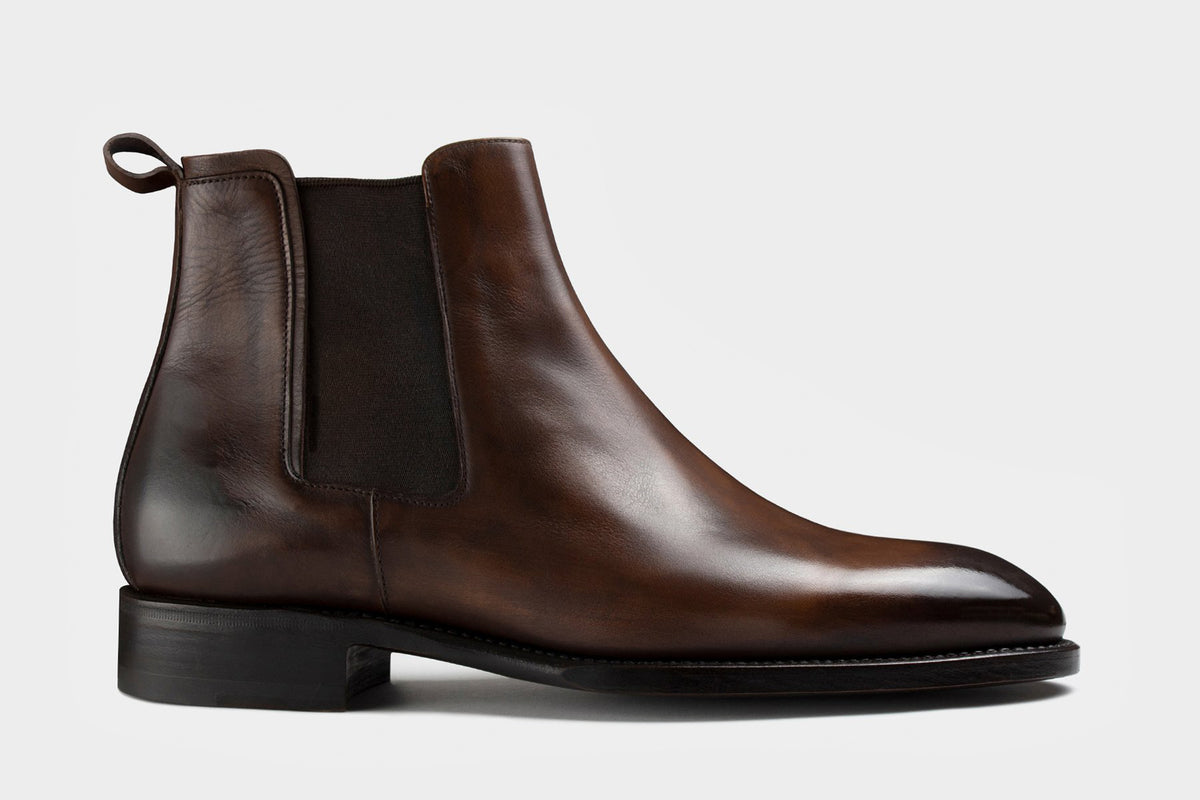
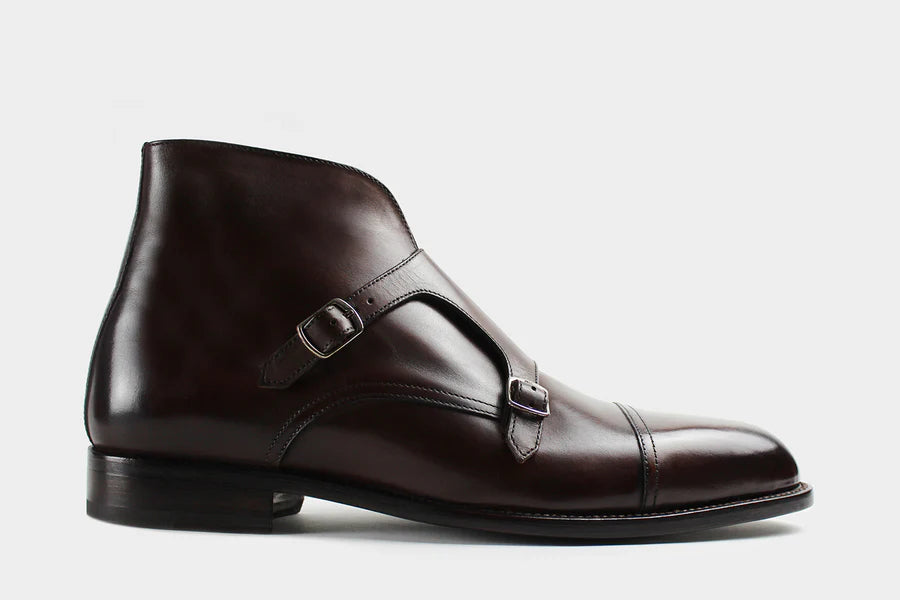
- Blake-stitched bespoke boots: $2,490
- Goodyear-welted bespoke boots: $2,985
Prices elsewhere vary widely by maker, materials and the number of fittings, so compare what is included, not just the headline number.
While these prices may seem steep, it's essential to consider the long-term value and benefits of bespoke shoes.
The Longevity of Bespoke Shoes
One of the most significant advantages of bespoke shoes is their longevity. Well-made bespoke shoes can last for decades with proper care, far outlasting cheaper, mass-produced alternatives.
Factors Contributing to Longevity:
- Durable Materials: The high-quality leathers and materials used in bespoke shoes are chosen for their durability and ability to age gracefully.
- Superior Construction: The handcrafting process ensures that each pair of bespoke shoes is built to last. Techniques like Goodyear welting and hand-stitching enhance the shoe's durability.
- Repairability: Bespoke shoes are designed to be easily repaired and resoled. This means that even after years of wear, they can be restored to their original condition, extending their lifespan significantly.
Cost Per Wear: When evaluating the cost of bespoke shoes, it's helpful to consider the cost per wear. While the initial investment is high, the long lifespan of bespoke shoes means that the cost per wear can be lower than that of cheaper, less durable shoes. For example, a pair of bespoke shoes that costs $3,000 and lasts for 20 years would have a cost per wear of $0.41, assuming they are worn 365 days a year. In contrast, a $300 pair of mass-produced shoes that lasts for two years would have a cost per wear of $0.41 as well, but they would need to be replaced multiple times over the same period, ultimately costing more.
Comfort and Fit
Another significant benefit of bespoke shoes is the unparalleled comfort and fit they provide. Mass-produced shoes are made to standard sizes, which may not accommodate the unique shape and dimensions of an individual's feet. Bespoke shoes, on the other hand, are crafted to fit the wearer's feet perfectly, providing superior comfort and support.
Advantages of Custom Fit:
- Personalized Last: A bespoke shoemaker creates a unique last based on precise measurements of the client's feet. This ensures that the shoes fit perfectly, addressing any irregularities or specific needs.
- Enhanced Comfort: The custom fit eliminates common issues such as blisters, pressure points, and discomfort caused by ill-fitting shoes.
- Improved Support: Bespoke shoes provide better arch support and alignment, which can prevent foot fatigue and other issues associated with poorly fitting footwear.
For individuals with specific foot problems or those who spend a lot of time on their feet, the comfort and support offered by bespoke shoes can be invaluable, contributing to overall well-being and quality of life.
Personalization and Style
One of the most appealing aspects of bespoke shoes is the level of personalization they offer. Unlike ready-made shoes, which come in limited styles and colors, bespoke shoes can be customized to reflect the wearer's unique style and preferences.
Customization Options:
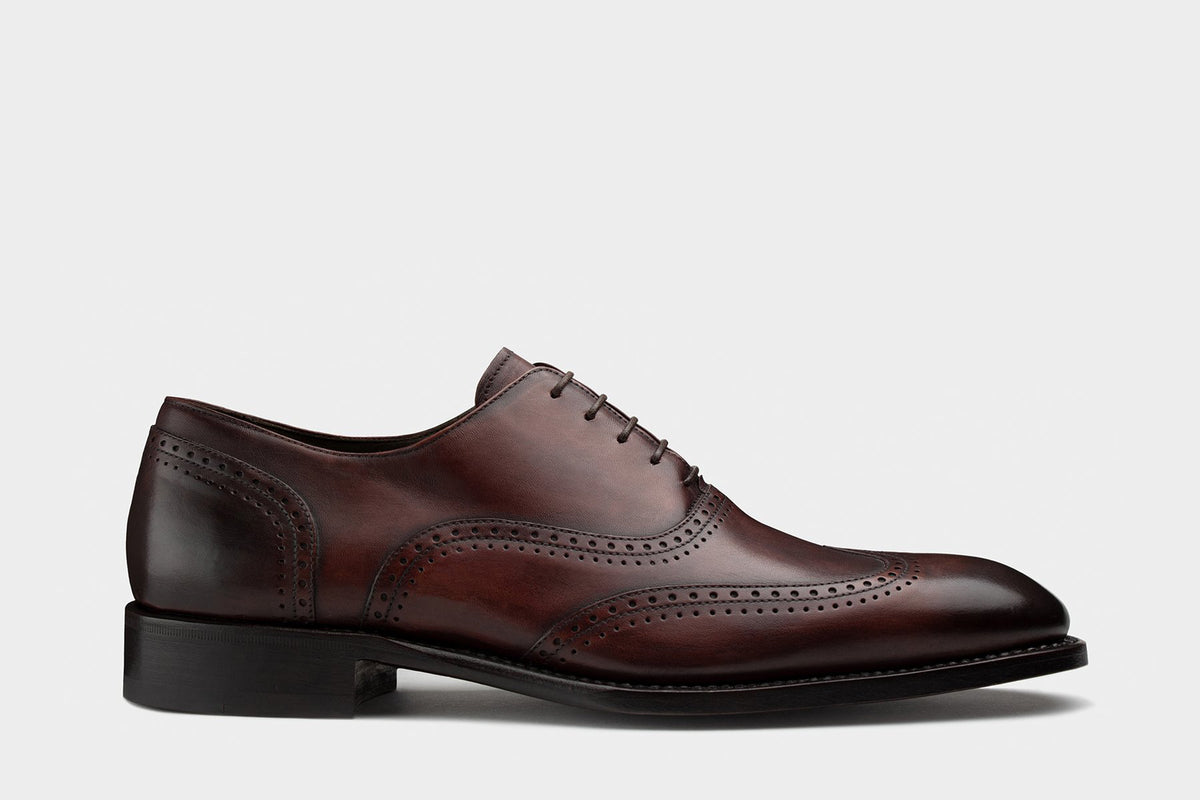
- Design: Clients can choose the overall design of the shoe, including the shape, style, and details such as broguing or stitching patterns.
- Materials: The type of leather, color, and finish can be selected to create a unique and personalized look.
- Details: Personal touches such as monograms, initials, and custom linings can be added to make the shoes truly one-of-a-kind.
Timeless Style: Bespoke shoes are often designed with a timeless appeal, ensuring they remain stylish and relevant for years to come. This timeless quality means that bespoke shoes can be worn for various occasions, from formal events to casual outings, making them a versatile addition to any wardrobe.
Environmental Impact
In an era where sustainability and environmental responsibility are becoming increasingly important, the choice to invest in bespoke shoes can be seen as a more sustainable option compared to mass-produced footwear.
Sustainable Practices:
- Quality Over Quantity: The durability and longevity of bespoke shoes mean that fewer pairs are needed over a lifetime, reducing waste and the demand for new materials.
- Ethical Sourcing: Many bespoke shoemakers prioritize ethical sourcing of materials, choosing leathers and other components from suppliers who adhere to sustainable and humane practices.
- Local Craftsmanship: Bespoke shoes are often made by local artisans, reducing the carbon footprint associated with transportation and supporting local economies.
Reduced Waste: The bespoke process minimizes waste by using materials efficiently and creating shoes that are meant to last. In contrast, the fast fashion industry often produces large quantities of low-quality shoes that are quickly discarded, contributing to environmental pollution.
Economic Considerations
From an economic perspective, investing in bespoke shoes can make financial sense over the long term. While the initial cost is higher, the long-term savings, comfort, and satisfaction can outweigh the upfront expense.
Long-Term Savings:
- Reduced Replacement Costs: The durability of bespoke shoes means that they do not need to be replaced as frequently as cheaper alternatives, resulting in long-term savings.
- Maintenance and Repairs: Bespoke shoes are designed to be easily repaired and maintained, extending their lifespan and preserving their value.
Investment in Quality: Bespoke shoes are an investment in quality and craftsmanship. The superior materials and construction methods ensure that each pair is built to last, providing long-term value that far exceeds that of mass-produced shoes.
The Intangible Value of Bespoke Shoes
Beyond the tangible benefits of bespoke shoes, there are also intangible values that contribute to their worth. These include the satisfaction of owning a unique, handcrafted product, the enjoyment of the bespoke experience, and the pride of supporting artisanal craftsmanship.
Unique Ownership Experience:
- Personal Connection: The bespoke process involves a close relationship between the client and the shoemaker, resulting in a pair of shoes that are uniquely tailored to the individual's preferences and needs.
- Artisanal Craftsmanship: Owning a pair of bespoke shoes is a testament to the skill and dedication of the artisan who crafted them. This connection to craftsmanship adds a layer of appreciation and pride in the final product.
Enjoyment of the Process:
- Bespoke Experience: The process of creating bespoke shoes is an enjoyable and educational experience. Clients have the opportunity to learn about the materials, construction methods, and design options, enhancing their appreciation for the final product.
- Personal Satisfaction: The satisfaction of owning a pair of bespoke shoes that are uniquely tailored to your feet and style is a significant intangible benefit.
What "Bespoke" Actually Means
The word comes from the old English verb "bespeak", to speak for something in advance. A bespoke shoe is spoken for before it exists: it is built on a last carved for your feet alone, not on a standard size last that has been adjusted. That difference is what you are paying for, and it is why a true bespoke pair fits in a way that even expensive ready-to-wear cannot.
Handcrafted vs. Factory-Made: Where the Money Goes
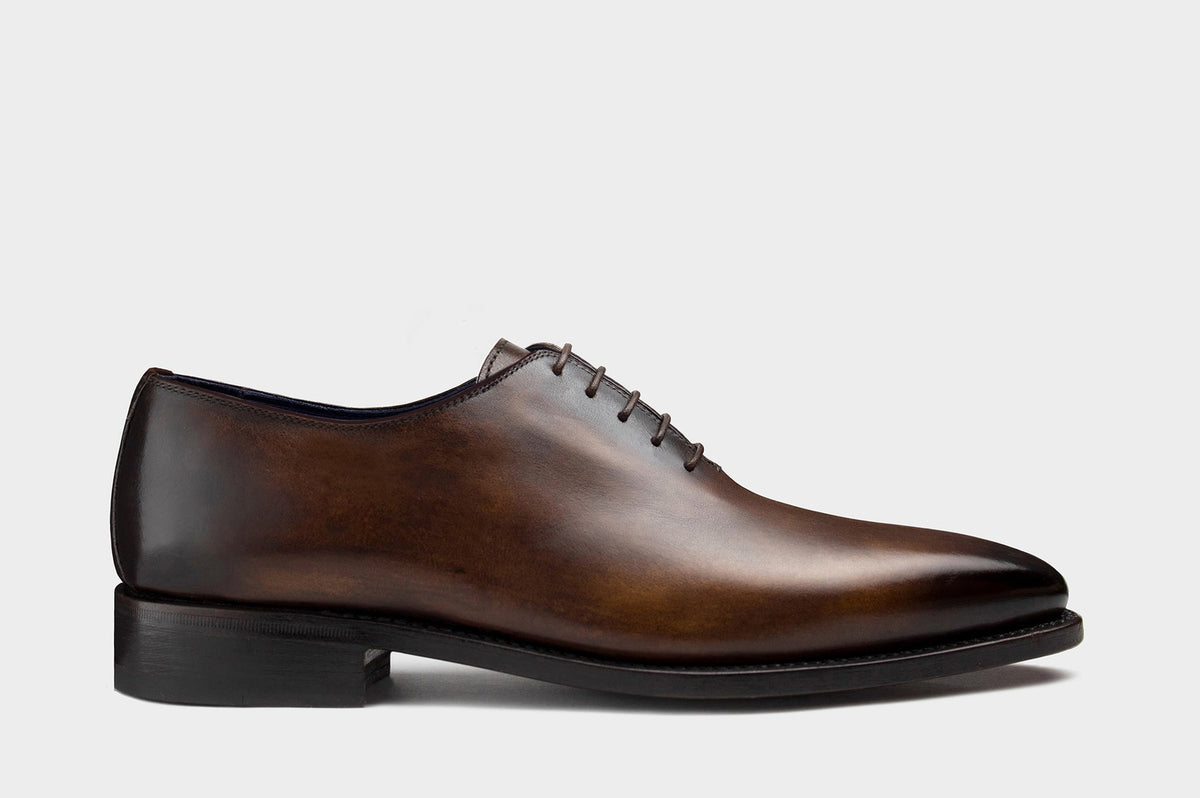
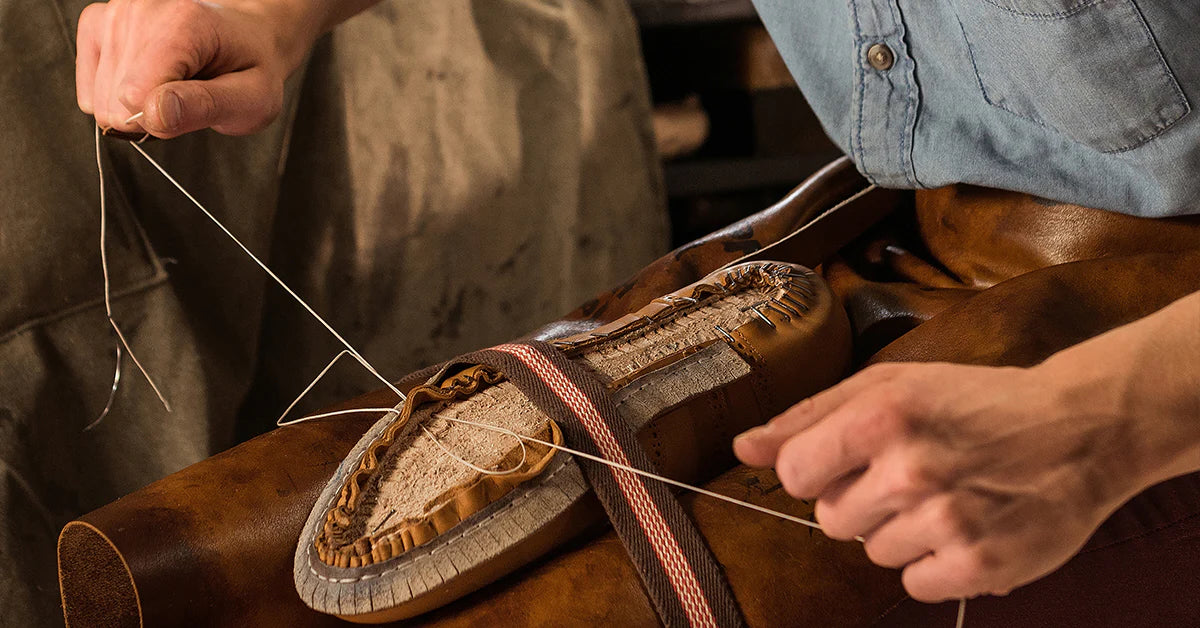
Most of the cost sits in skilled hours. A shoemaker takes detailed measurements, carves a personal last, cuts each leather piece to avoid flaws in the hide, and stitches, lasts and finishes the shoe largely by hand. Finishes such as hand-burnishing are built up in thin layers of dye and polish, something a production line cannot copy.
The fit is where the hours pay off. Someone with one foot a half size larger than the other cannot be properly fitted from a shelf, but a bespoke maker simply makes two different lasts. Goodyear-welted construction also lets the shoes be resoled again and again, so a pair can be kept in service for many years instead of being thrown away.
Compare that with a factory pair that wears out every year or two. Over a decade, replacing them adds up to a sum close to the price of one bespoke pair, without ever getting the fit. Buying bespoke also keeps a traditional craft alive, because every pair supports the artisans who make it.
Is Bespoke Worth It for You? Five Questions to Ask
- How much time do you spend on your feet? If you stand or walk for long hours, or you have wide feet, high arches or bunions that make shopping painful, a fit built around your feet changes your day.
- Do you value craftsmanship? Part of the reward is knowing your shoes were made for you by hand, with details you chose.
- How important is personal style? Bespoke lets you choose leather, color, toe shape and detailing so the shoes suit your wardrobe exactly.
- Will you keep them for years? Durability and resoling spread the cost over a long life, and your lasts are kept for future pairs.
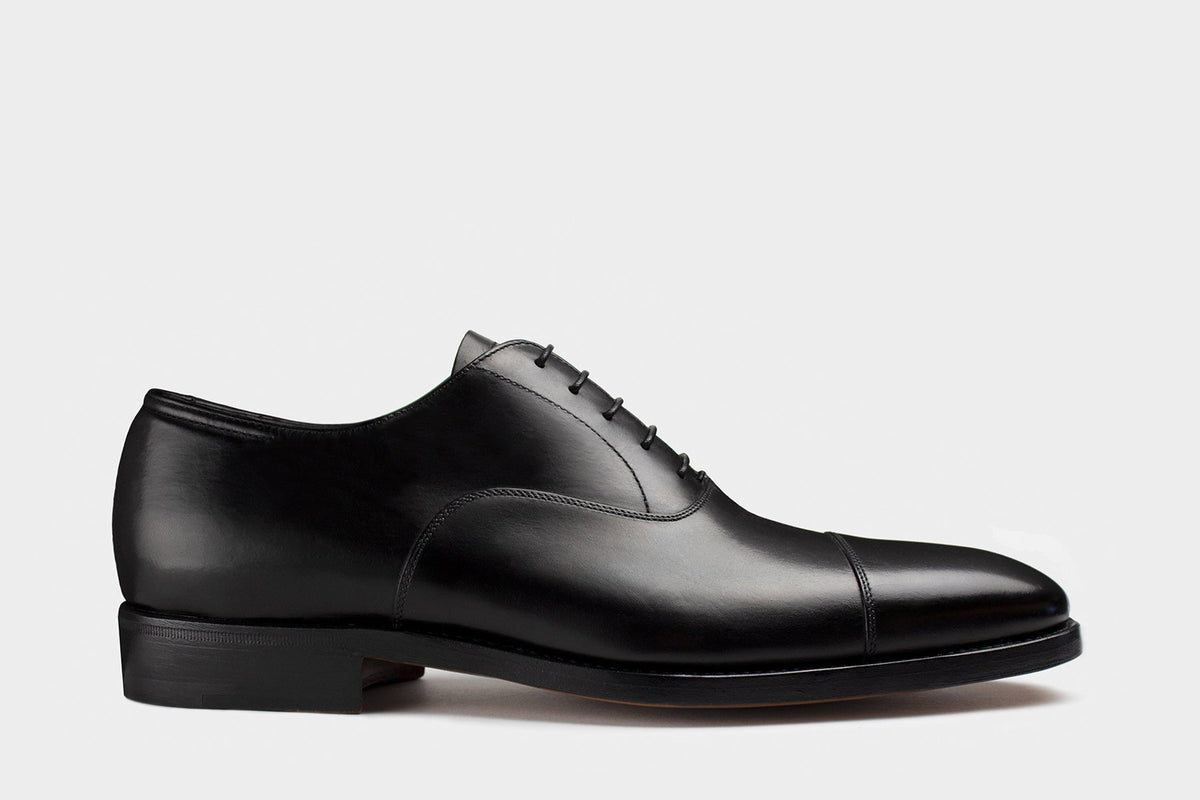
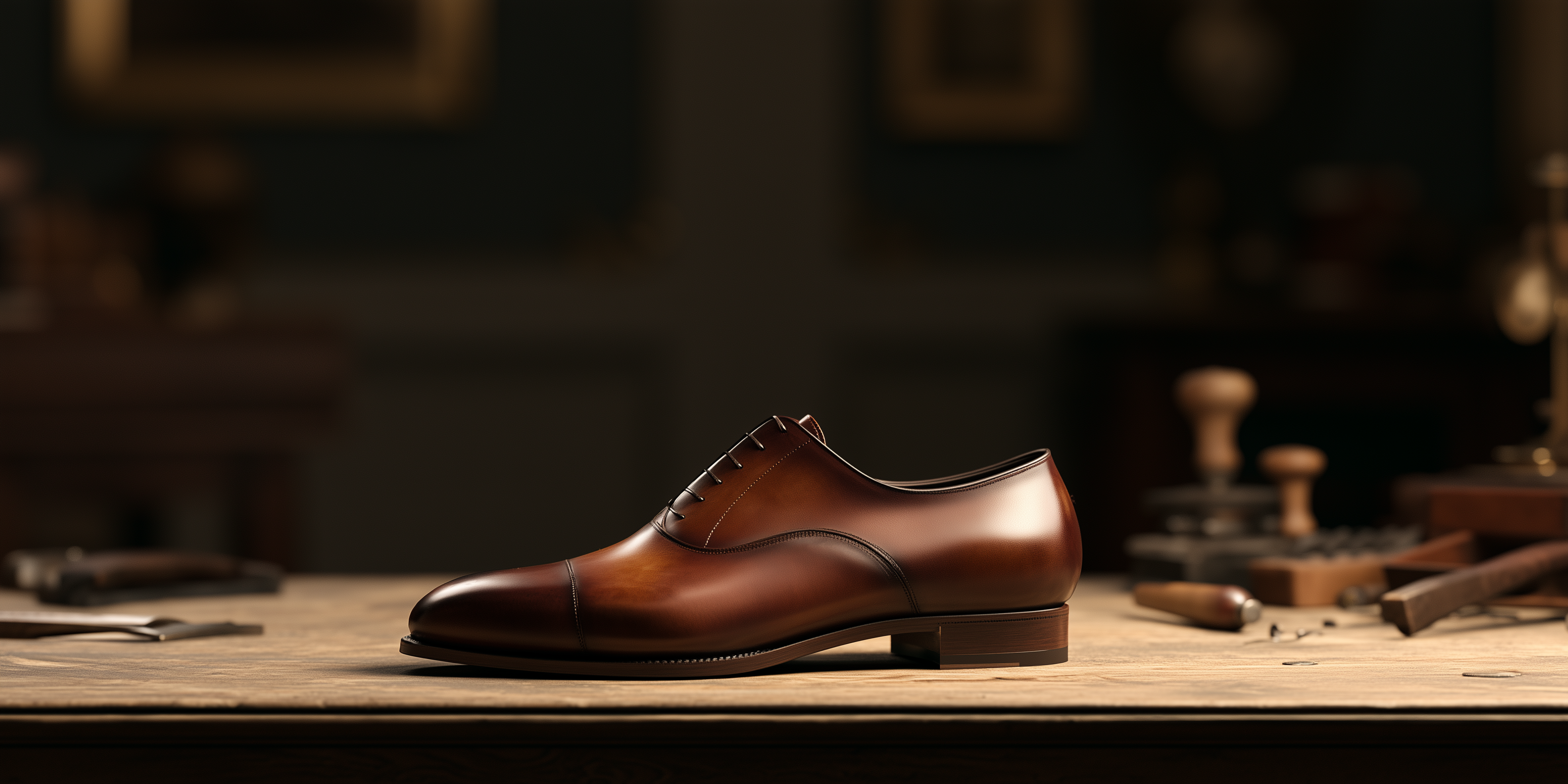
- Does it fit your budget? Bespoke is a considered purchase. Many clients start with one versatile pair, such as a black or dark brown oxford, and add to it over time.
Conclusion: Are Bespoke Shoes Worth the Investment?
In conclusion, the economics of bespoke shoes reveal that they offer significant long-term value and benefits that justify the initial investment. The superior fit, comfort, durability, and personalization options make bespoke shoes a wise choice for those who prioritize quality and craftsmanship. Additionally, the intangible value of owning a unique, handcrafted product adds to the overall worth of bespoke shoes.
While the upfront cost may be higher than mass-produced alternatives, the long-term savings, reduced environmental impact, and enhanced enjoyment make bespoke shoes a worthwhile investment. For anyone seeking exceptional footwear that combines style, comfort, and longevity, bespoke shoes represent the pinnacle of shoe craftsmanship and are undoubtedly worth the investment.

Leave a comment
This site is protected by hCaptcha and the hCaptcha Privacy Policy and Terms of Service apply.