

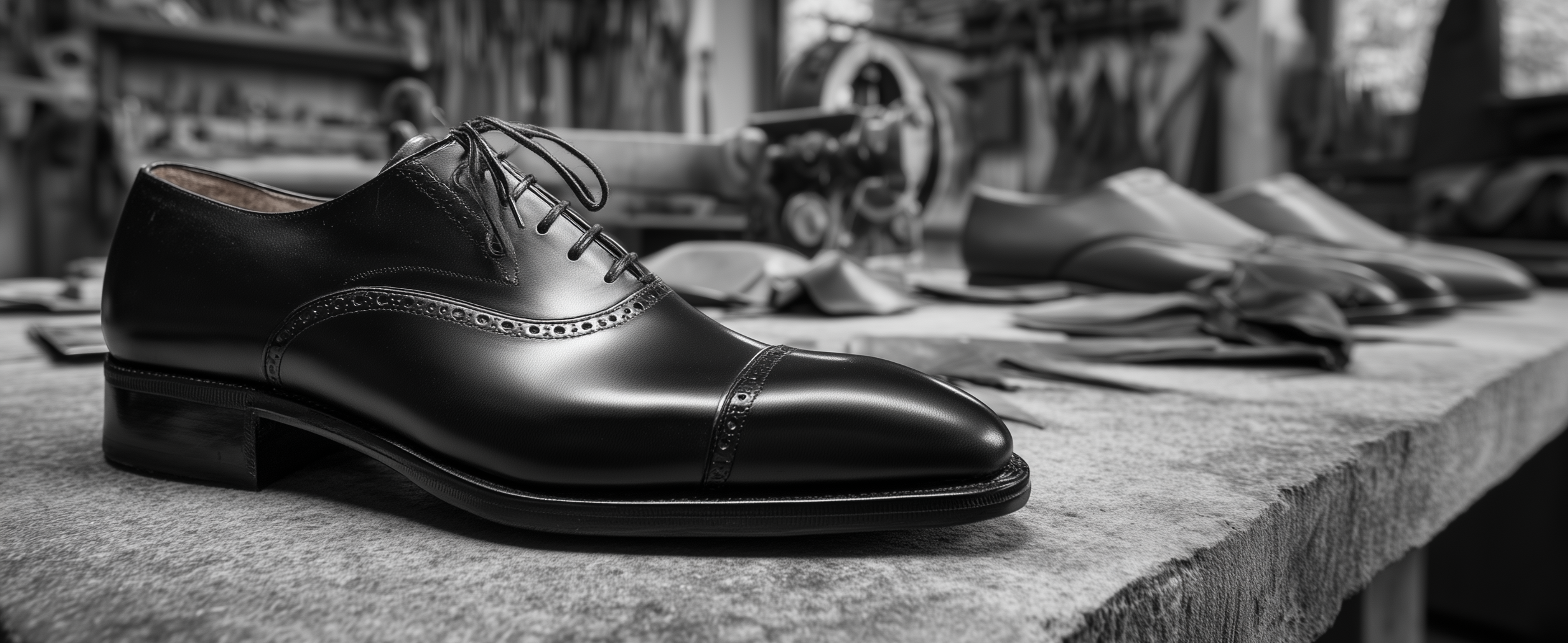
Bespoke vs Goodyear Welted vs Handwelted Shoes: A Comprehensive Guide to Premium Footwear Construction
In the world of high-quality footwear, the terms "bespoke shoes," "Goodyear welted shoes," and "handwelted shoes" often come up in discussions among discerning buyers. These aren't just buzzwords—they represent distinct approaches to shoemaking that impact everything from fit and durability to craftsmanship and price. If you're searching for "bespoke vs Goodyear welted shoes" or "handwelted shoes explained," you've landed in the right place.
At Bondeno Shoes, we specialize in bespoke custom shoes with at-home fittings, handcrafted by Italian artisans to deliver unparalleled comfort and style. In this in-depth guide, we'll break down the differences, histories, pros, cons, and when each type might be the best choice for you. Whether you're a professional seeking elegant dress shoes or someone prioritizing long-term foot health, understanding these methods will help you make an informed decision.
Bespoke shoes are fully custom-made, starting from a unique mold of your feet, while Goodyear welted and handwelted refer to construction techniques that attach the sole to the upper. Goodyear welted uses machinery for efficiency, whereas handwelted relies on skilled manual stitching for superior flexibility and strength. By the end of this 3000+ word article, you'll know why bespoke shoes with handwelted construction, like those from Bondeno, often stand out as the pinnacle of luxury footwear.

The History of Bespoke Shoes: From Nobility to Modern Customization
The origins of bespoke shoes trace back to the 16th century in England, where the term "bespoke" meant something "spoken for" or reserved exclusively for a customer.
Aristocrats and nobility commissioned shoemakers to craft footwear tailored to their exact measurements, using premium leathers and intricate designs. This personalization was a status symbol, as mass-produced shoes were rudimentary and uncomfortableBy the 19th century, bespoke shoemaking flourished in London, with firms like Peal & Co. employing hundreds of artisans to serve the elite.
The 20th century brought challenges: World Wars disrupted supplies, and cheap imports flooded markets. Yet, bespoke endured through innovators who preserved handcrafting methods. Today, the internet has revitalized the craft, connecting global clients with artisans.

Understanding Bespoke Shoes: The Process of True Customization
Bespoke shoes are the epitome of personalization. Unlike off-the-shelf or made-to-measure options, bespoke involves creating a unique wooden last (foot mold) from scratch based on precise measurements of your feet. This accounts for asymmetries, arch height, width, and even toe shapes.The process begins with measurements—often multiple fittings to refine the last.
Once perfected, the final pair is handcrafted using premium materials like full-grain calfskin. Artisans cut patterns, stitch uppers, and assemble with methods like handwelting for durability.At Bondeno, we simplify this with at-home fittings: We ship Bio-Foam® kits to capture your foot's exact shape, then CNC-carve lasts in Ohio before sending to Italy for handcrafting.
- Perfect fit reduces foot issues like blisters or bunions.
- Unlimited customization in style, materials, and details.
- Exceptional longevity with proper care.
- Higher cost due to labor intensity.
- Longer production time (months for traditional methods).
The History of Goodyear Welted Shoes: Revolutionizing Mass Production
The Goodyear welt, invented in 1869 by Charles Goodyear Jr., marked a turning point in shoemaking.
Building on earlier ideas by Auguste Destouy, Goodyear Jr. patented a machine that mechanized welting, allowing efficient attachment of soles without penetrating the insole fully.
By the early 20th century, it dominated, especially in brands like Crockett & Jones.
Electrification further streamlined the process, making Goodyear welted shoes accessible beyond the elite.
Today, it's a hallmark of quality ready-to-wear shoes, though often combined with modern materials.
Before this, shoes were hand-stitched, limiting production. The Goodyear machine enabled factories to produce durable, resoleable shoes at scale, popularizing welted footwear in the late 19th century.
shoegazing.com

Goodyear Welted Shoes Explained: Construction, Pros, and Cons
Goodyear welted construction involves stitching a leather welt to the upper and a canvas rib (gemming) glued to the insole.
The outsole is then stitched to the welt, creating a cavity filled with cork for comfort.
This machine-based method allows easy resoling without damaging the upper.Pros of Goodyear welted shoes:
leathersource.co
gentlemansgazette.com
-
Excellent durability and water resistance due to the welt barrier.
gentlemansgazette.com
- Resoleable multiple times, extending lifespan to decades.
-
Good balance of flexibility and structure; molds to the foot over time.
reddit.com
- More affordable than fully handmade options.
-
Heavier and less flexible initially compared to handwelted.
reddit.com
-
Potential for gemming failure over time, though rare in quality shoes.
reddit.com
- Bulkier profile, less sleek for formal wear.
The History of Handwelted Shoes: The Artisan's Tradition
Handwelting predates Goodyear by centuries, rooted in medieval shoemaking where artisans stitched soles by hand.
It evolved from turnshoe methods and became standard in bespoke work. As industrialization took hold in the 19th century, handwelting persisted in high-end and custom shoes, valued for its precision.
By the 20th century, it was rare in mass production but essential in bespoke, with artisans in Italy and England preserving the craft.
Today, it's a mark of luxury, often seen in brands like Gaziano & Girling.
zonkeyboot.com
shoegazing.com
zonkeyboot.com
Handwelted Shoes Demystified: Craftsmanship, Benefits, and Drawbacks
Handwelted construction skips the canvas rib; instead, artisans carve a "holdfast" directly into the leather insole.
The welt is hand-stitched to the upper and insole using an awl, waxed thread, and bristles—often 160+ stitches per shoe.
The outsole attaches via machine or hand, with minimal filler for a compact build.
Pros of handwelted shoes:
saphir.paris
lbardi.com
shoegazing.com
-
Superior durability and flexibility; tighter stitches enhance longevity.
bondenoshoes.com
-
Better water resistance and comfort without gemming risks.
sparrods.com
- Sleeker profile, ideal for elegant designs.
-
Highly resoleable, often outlasting Goodyear equivalents.
leaury.com
- Labor-intensive, leading to higher costs (often $1,000+).
-
Longer production time; requires skilled artisans.
shoegazing.com
- Less common in ready-to-wear, mostly bespoke.
Bespoke vs Goodyear Welted vs Handwelted: Head-to-Head Comparison
When comparing "bespoke vs Goodyear welted vs handwelted shoes," note that bespoke is a full process, while the others are constructions often used within bespoke or ready-to-wear.
-
Construction Differences: Bespoke can use either welting but emphasizes custom fit. Goodyear is machine-welted with gemming; handwelted is manual without.
Handwelted offers a tighter, more compact build.theshoesnobblog.comshoegazing.com
-
Durability and Resolability: All are resoleable, but handwelted edges out due to stronger bonds.
Goodyear is robust for daily wear; bespoke adds personalization for longevity.reddit.com
-
Comfort and Fit: Bespoke wins with custom lasts.
Handwelted provides better flexibility than Goodyear.bondenoshoes.comlbardi.com
- Price: Goodyear welted ready-to-wear starts at $300-500; handwelted RTW $800+; bespoke $1,500+.
- Aesthetics: Handwelted allows slimmer soles; bespoke offers endless styles.
|
Aspect
|
Bespoke
|
Goodyear Welted
|
Handwelted
|
|---|---|---|---|
|
Fit
|
Custom to foot
|
Standard sizes
|
Often bespoke/RTW
|
|
Durability
|
High
|
High
|
Highest
|
|
Flexibility
|
Varies
|
Moderate
|
Excellent
|
|
Cost
|
$$$$
|
$$
|
$$$
|
When to Choose Bespoke, Goodyear Welted, or Handwelted Shoes
Choose Goodyear welted for affordable, durable everyday shoes—like work boots or casual oxfords.
Opt for handwelted if seeking premium RTW or bespoke with superior craftsmanship.
Go bespoke for perfect fit, especially if you have unique feet or want personalization.At Bondeno, we recommend bespoke with handwelted elements for ultimate luxury—our Italian artisans ensure every pair is a masterpiece.
stridewise.com
lovablebrogue.com
Why Bondeno Shoes Excels in Bespoke with Premium Constructions
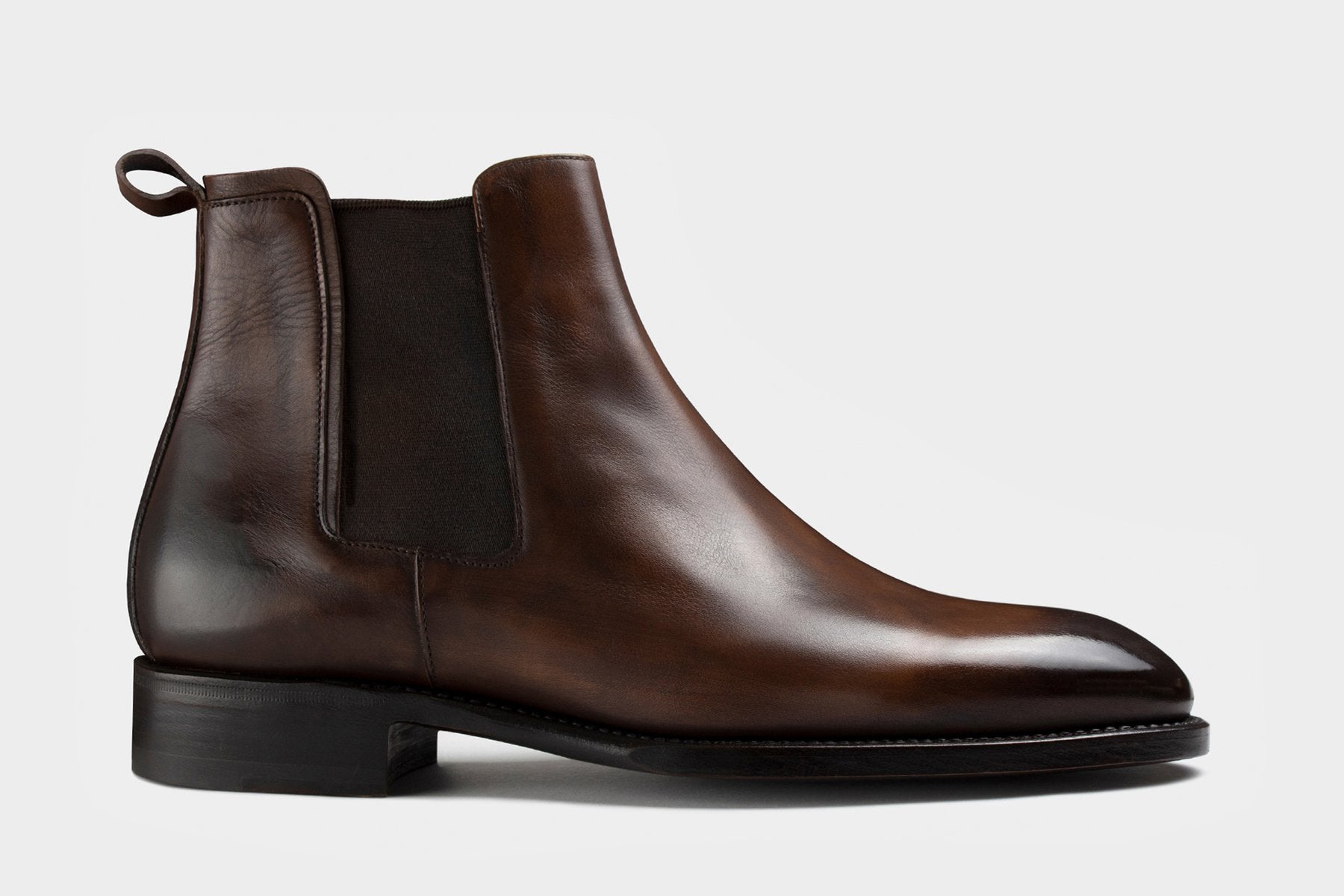
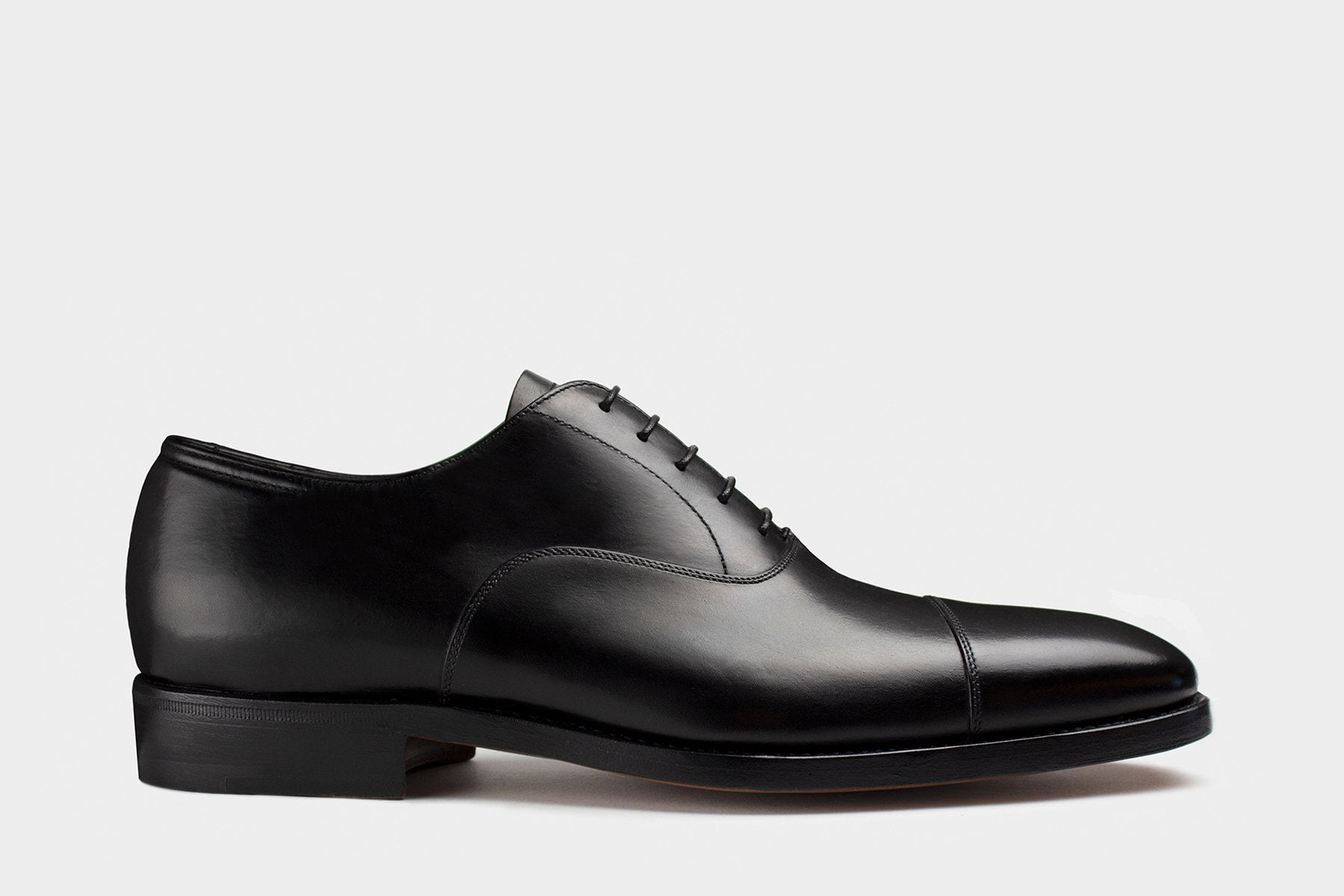
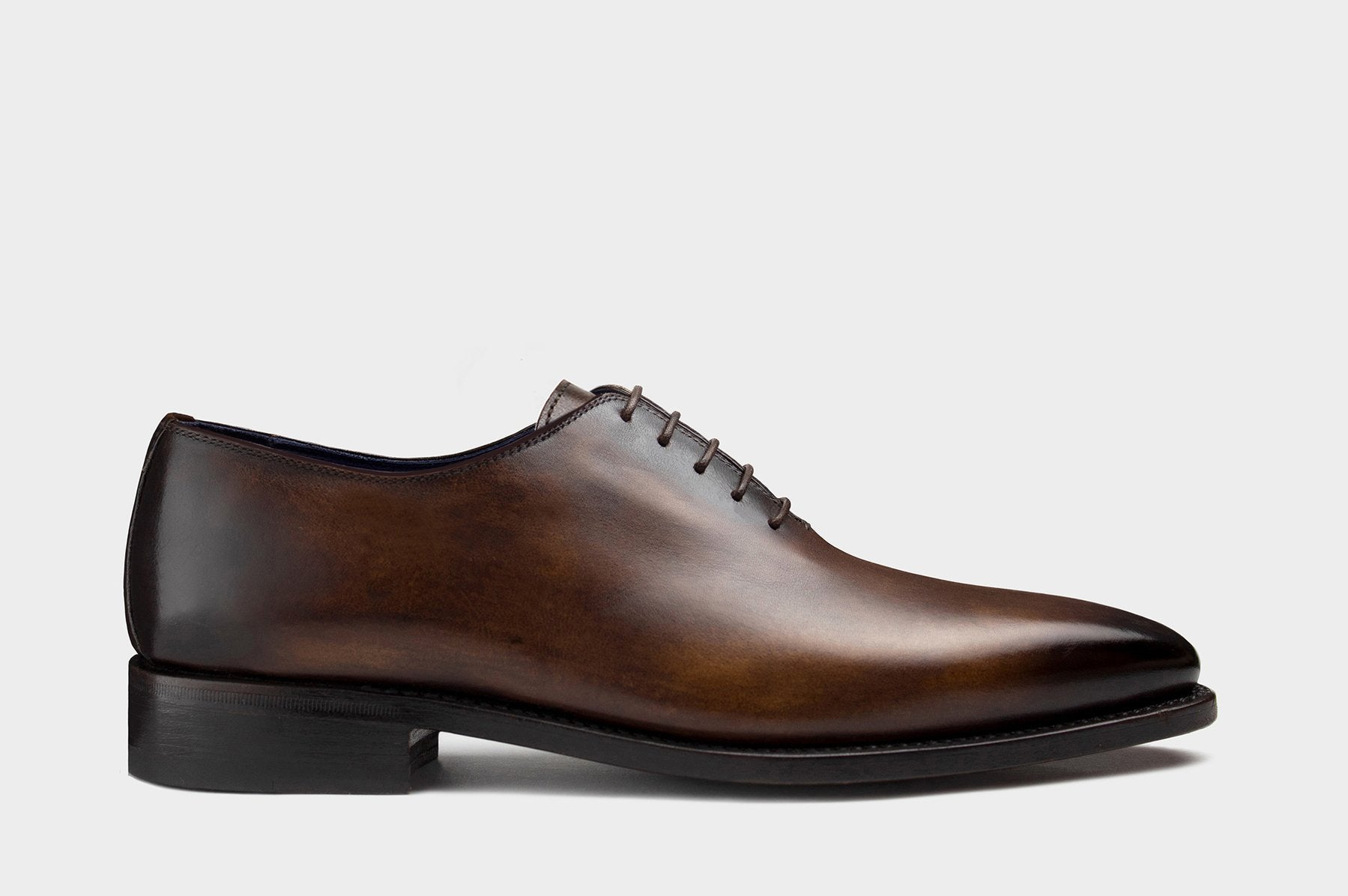
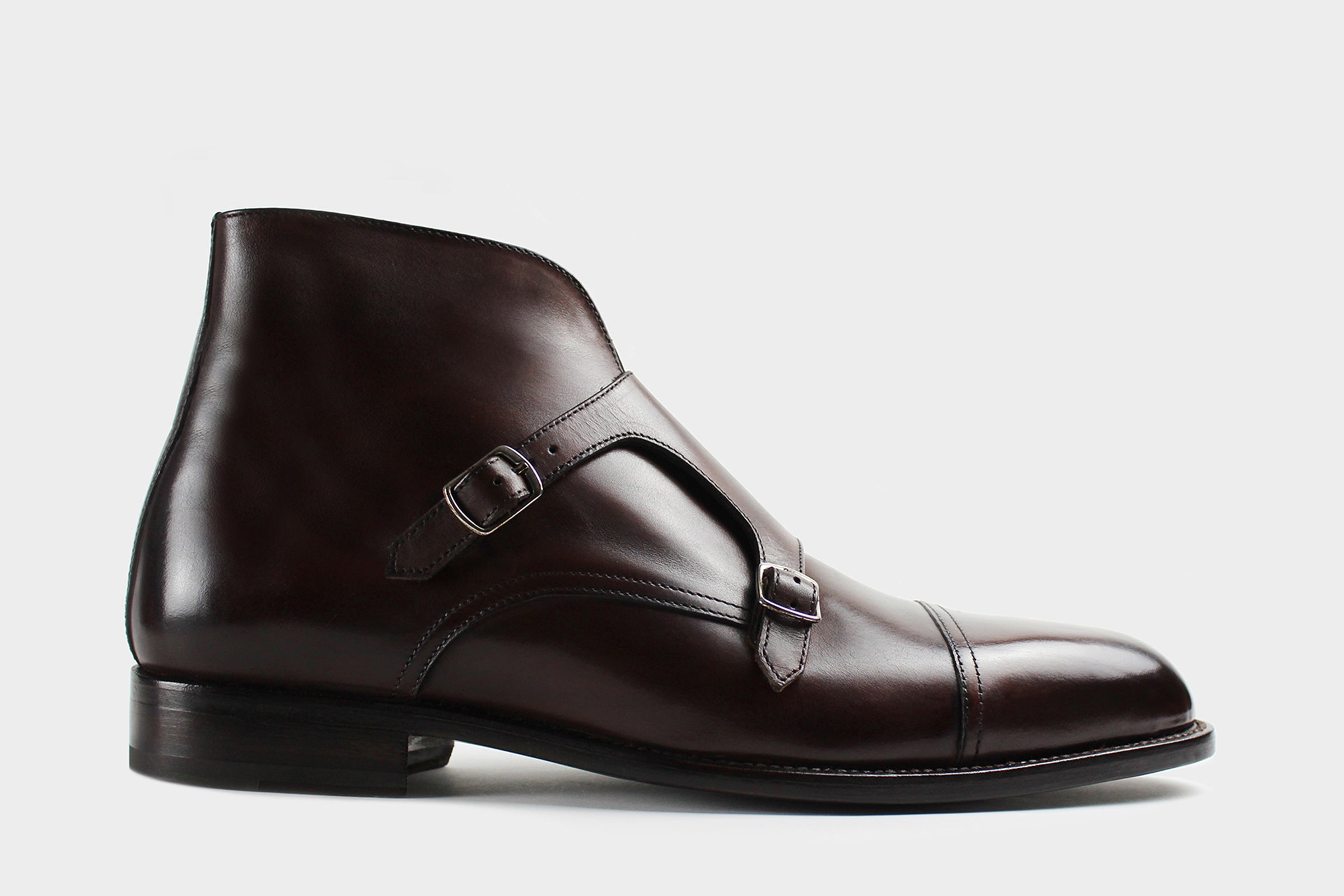
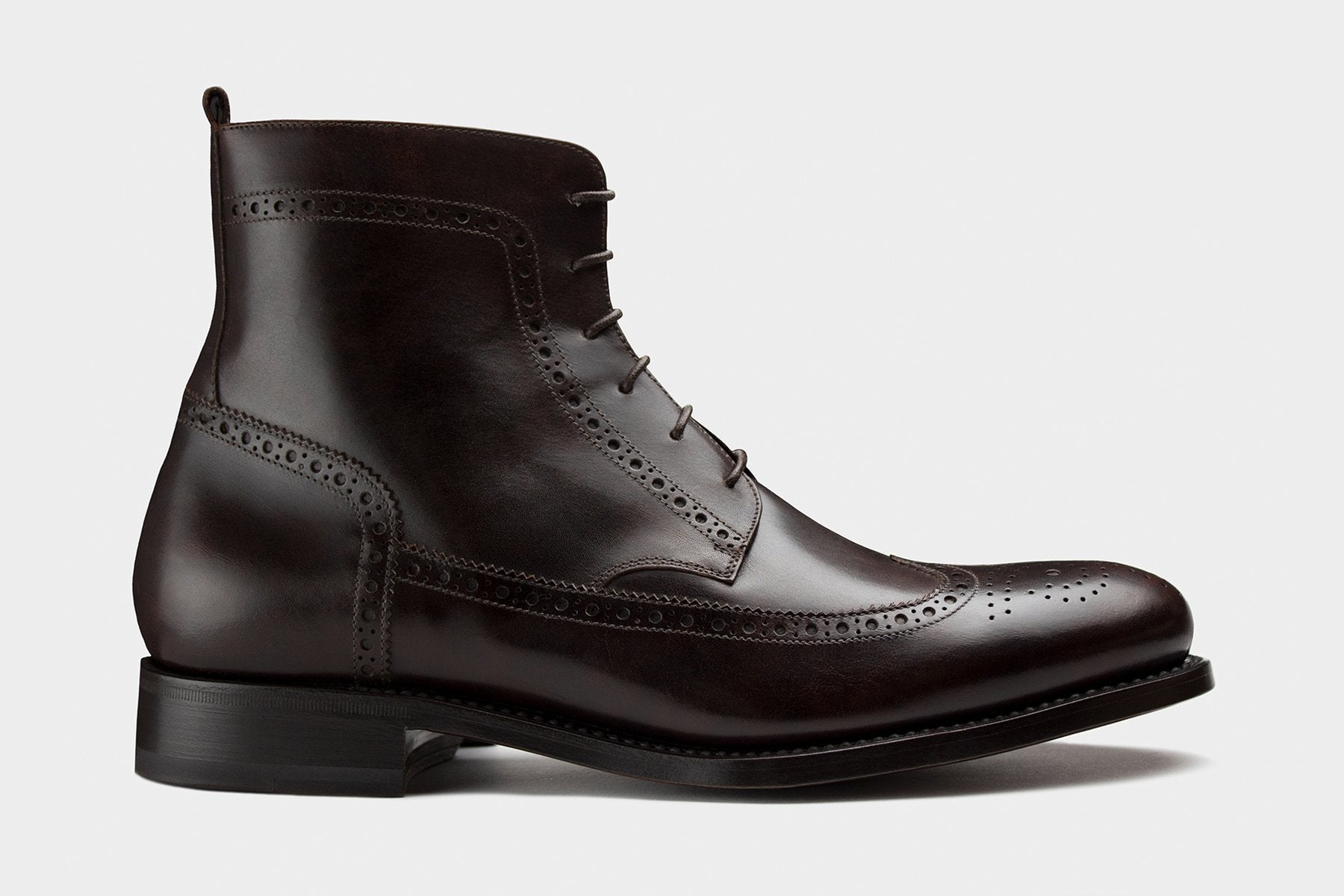
Bondeno combines bespoke customization with Italian handcrafting, often incorporating handwelted techniques for durability. Our process: At-home fittings, custom lasts, premium leathers, and Goodyear or hand welt options. Styles include Mauro Captoe Oxfords ($1,895) and Wingtip Boots ($2,295). With our Fit Guarantee, satisfaction is assured.Customer testimonials: "Bondeno's bespoke shoes are life-changing—perfect fit and timeless style," says Philip from NY.
Conclusion: Elevate Your Footwear Game
In the debate of bespoke vs Goodyear welted vs handwelted shoes, each has merits, but bespoke with handwelting offers the best of all worlds. Visit bondenoshoes.com to start your custom journey today



Leave a comment
This site is protected by hCaptcha and the hCaptcha Privacy Policy and Terms of Service apply.