


How to Make a Pair of Bespoke Dress Shoes Step by Step: A Comprehensive Guide
In the world of fashion and craftsmanship, few items embody luxury and personalization quite like a pair of bespoke dress shoes. Unlike off-the-rack options, bespoke shoes are custom-made to fit your feet perfectly, reflecting your style, comfort needs, and even the nuances of your gait. If you've ever wondered "how to make bespoke dress shoes," you're in the right place. This detailed, step-by-step guide will walk you through the entire bespoke shoemaking process, from gathering materials to the final polish. Whether you're a hobbyist looking to craft handmade dress shoes at home or an aspiring artisan, this shoemaking tutorial is designed to empower you with the knowledge and confidence to create your own masterpiece.
Bespoke shoemaking is an ancient art that combines precision, patience, and creativity. Originating from traditions in places like London's Savile Row, it involves over 200 individual steps in professional settings, but you can adapt it for home use with basic tools. By the end of this article, you'll understand the full process, common pitfalls, and pro tips to ensure your handmade shoes not only look elegant but also feel like an extension of your feet. Expect to invest time— a single pair can take 50-100 hours for beginners—but the result is unparalleled. Let's dive into this comprehensive guide to making bespoke dress shoes.

What Are Bespoke Dress Shoes and Why Make Them Yourself?
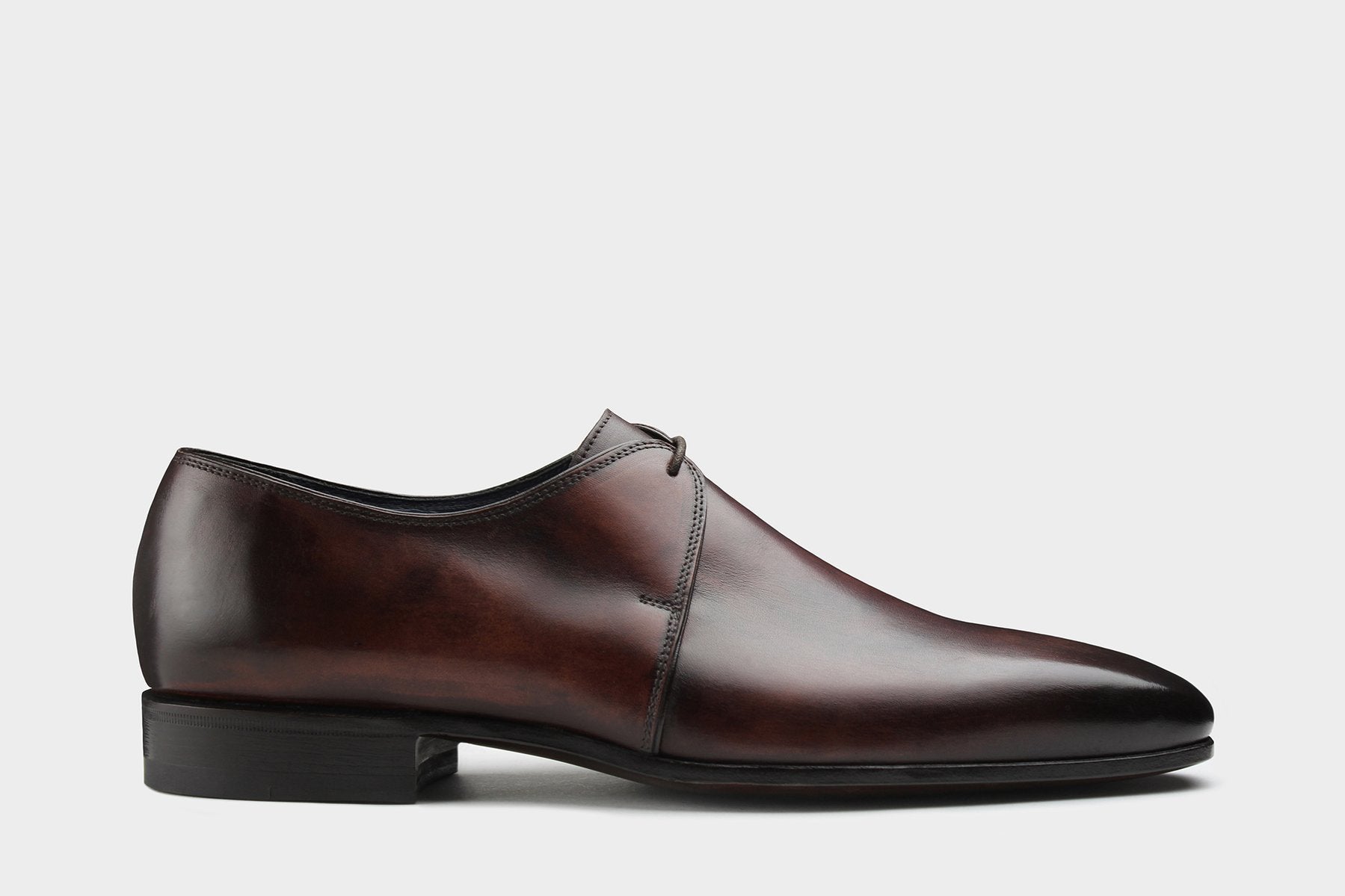
Before we jump into the how-to, it's essential to clarify what sets bespoke dress shoes apart. "Bespoke" means "made to order," derived from the old English term for something spoken for or reserved. In shoemaking, it refers to shoes crafted entirely from scratch based on your foot measurements, unlike made-to-measure (which adjusts existing patterns) or ready-to-wear.
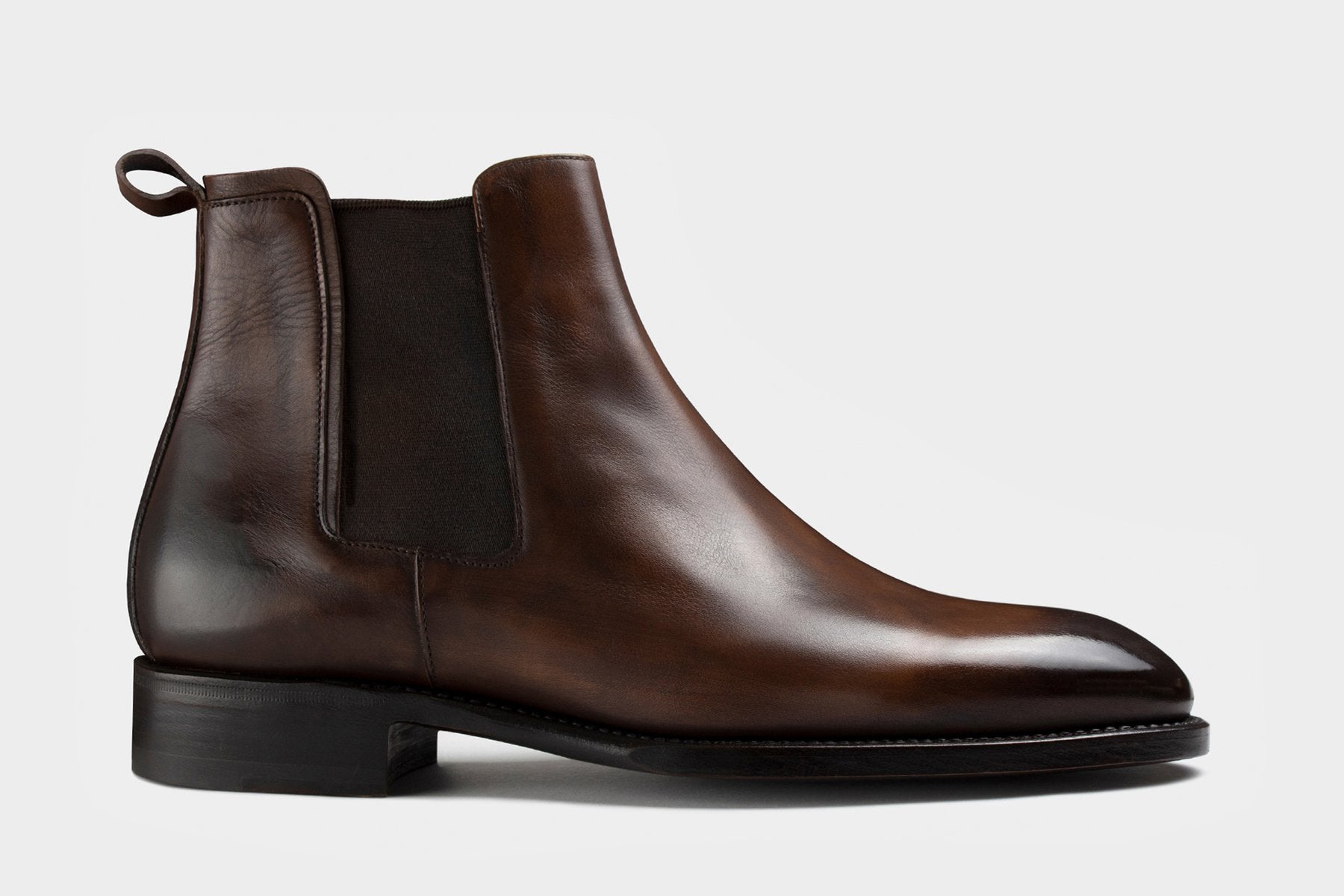
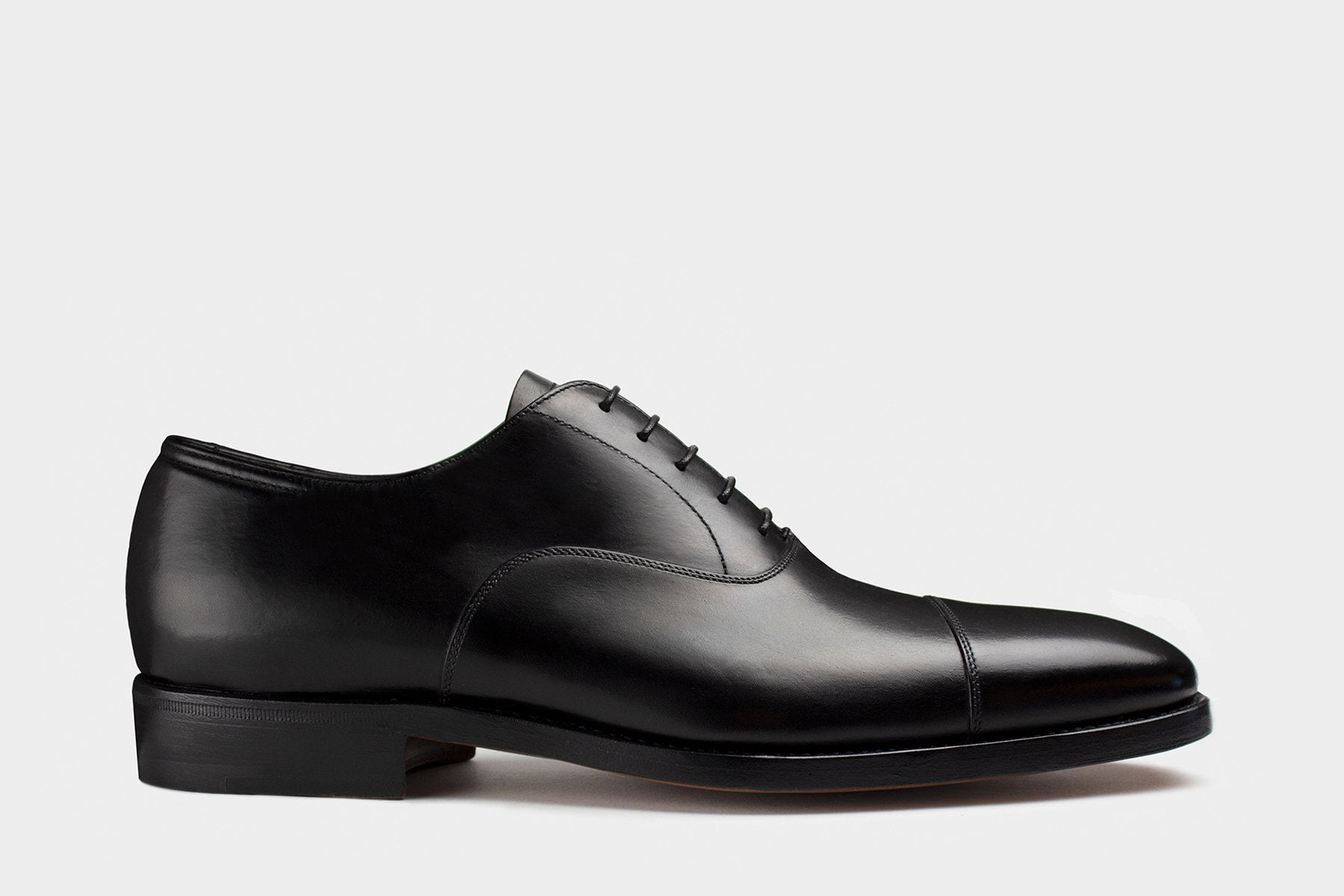
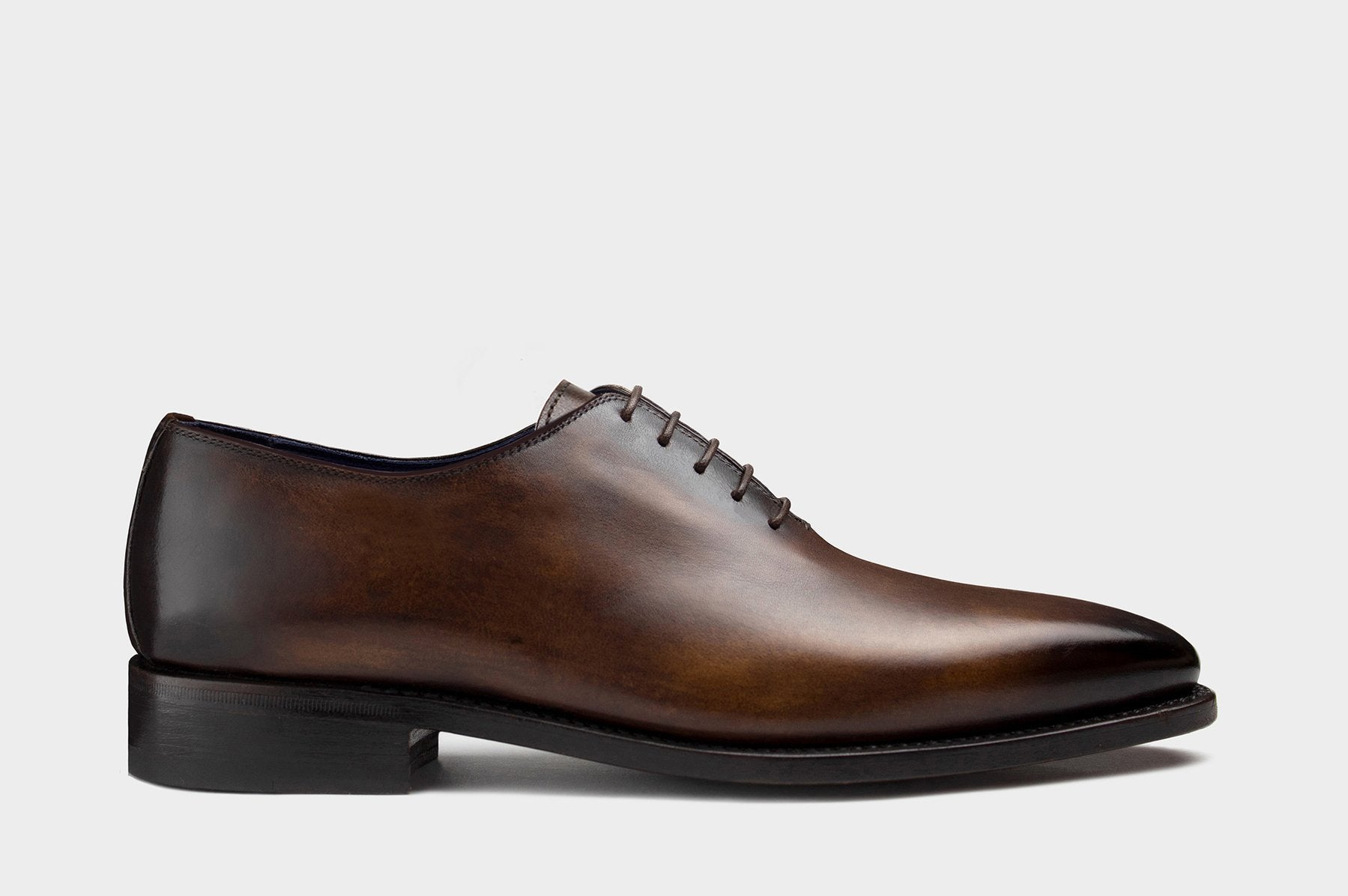
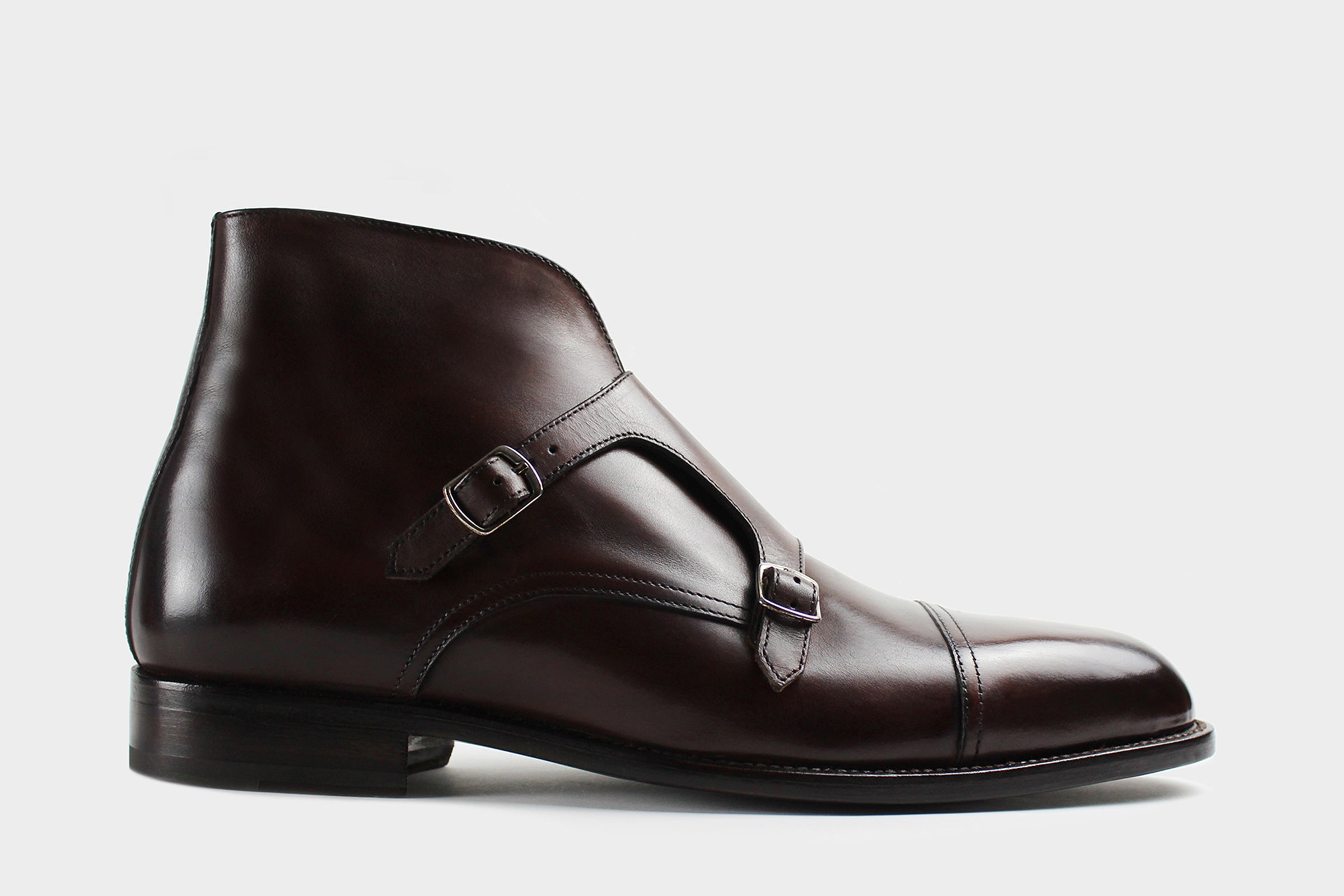
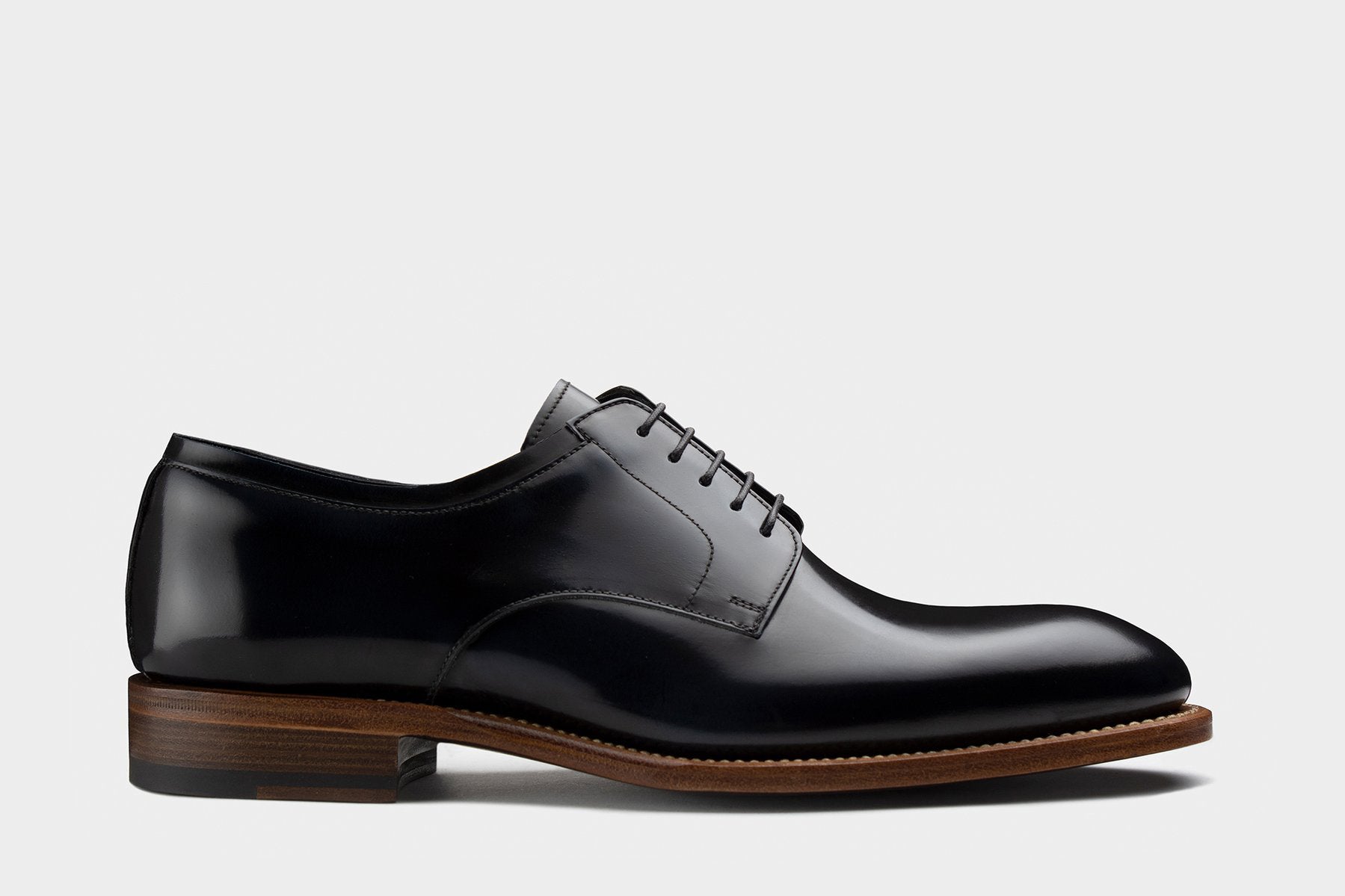
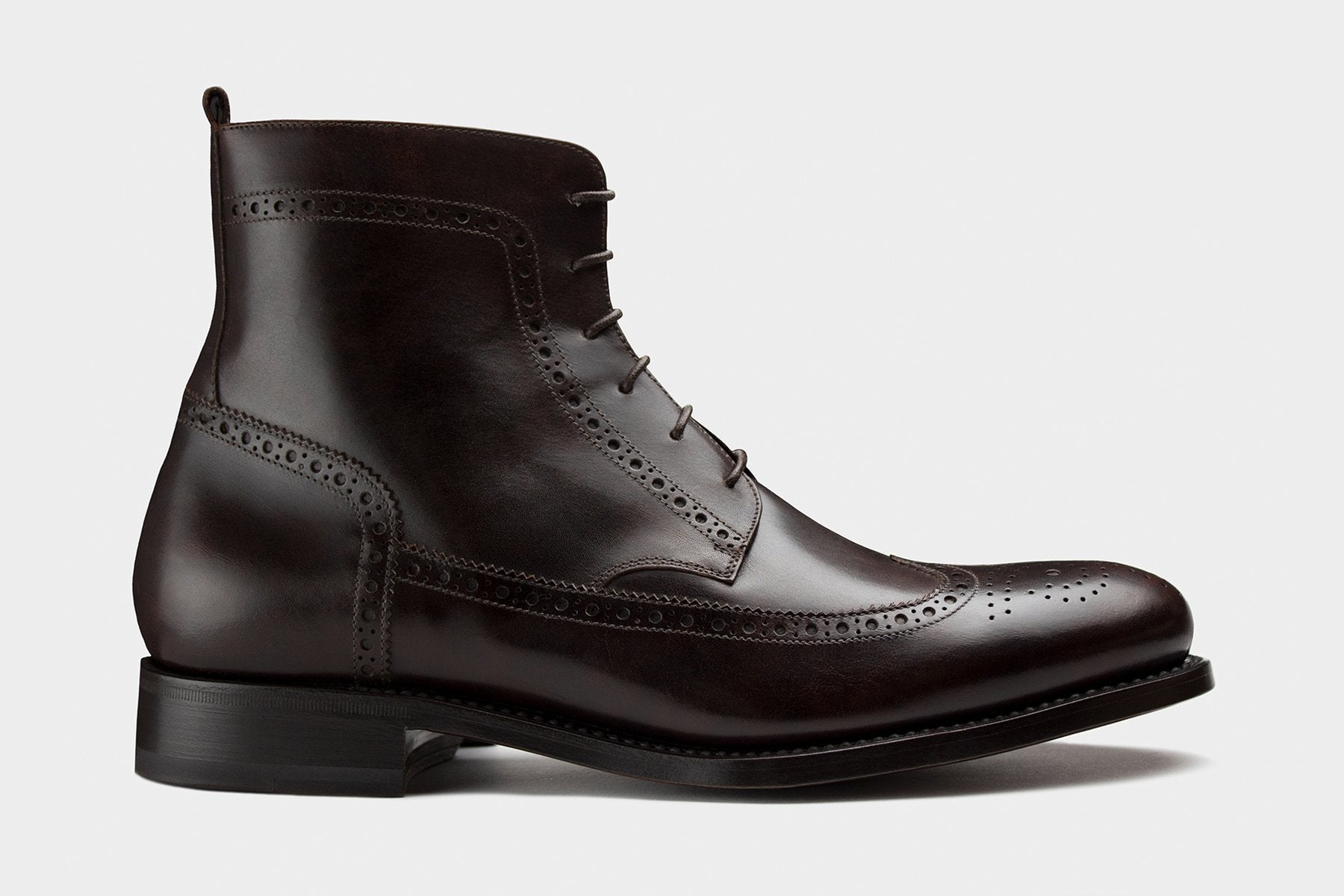
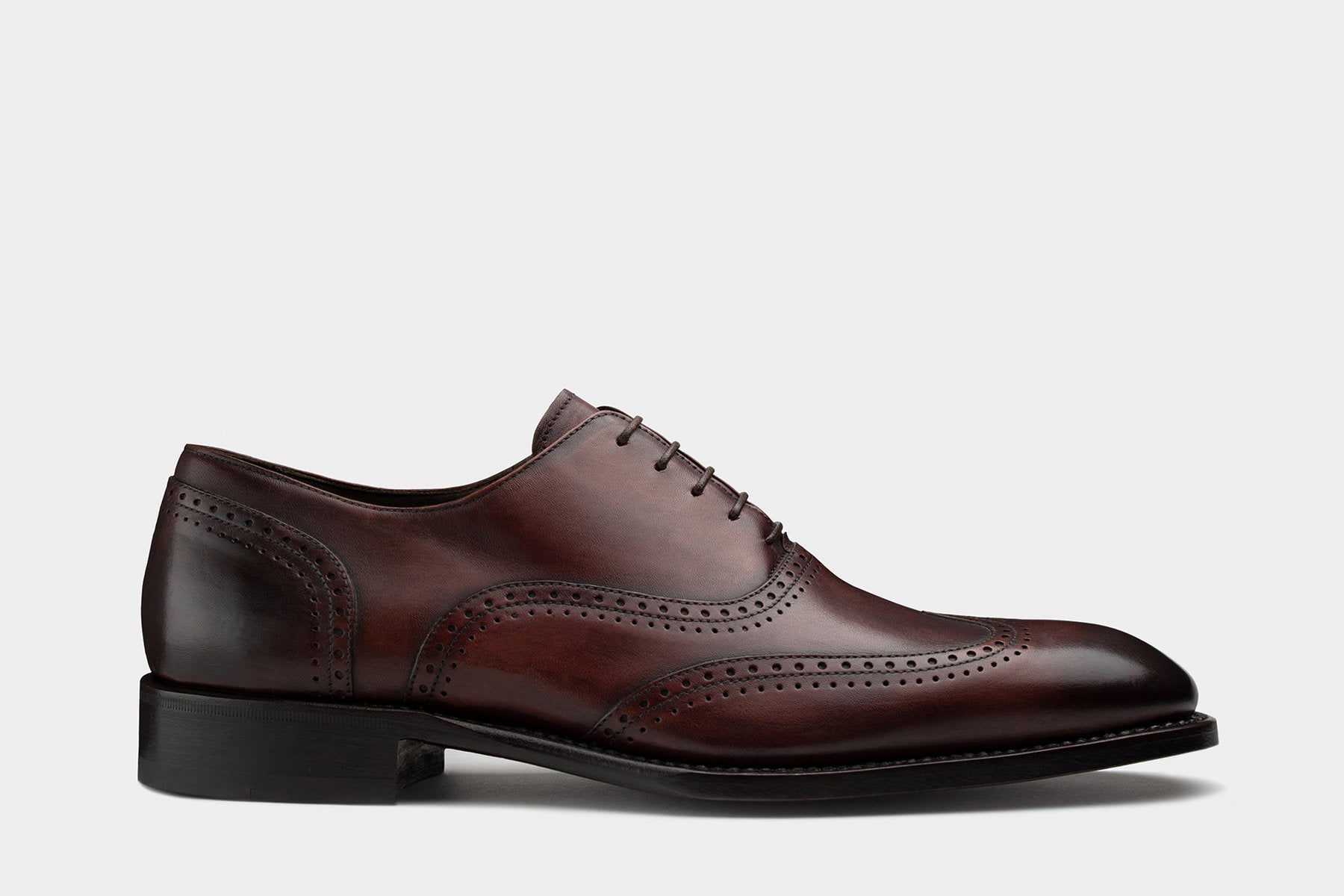
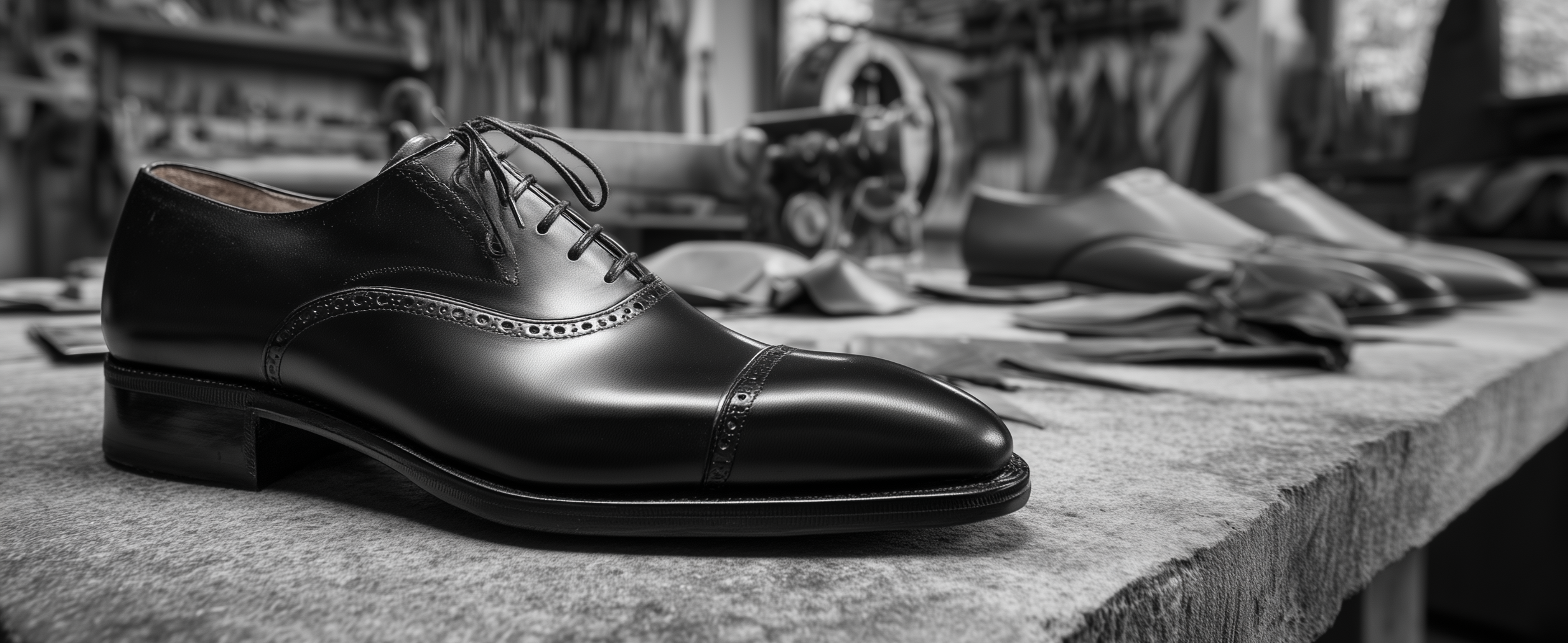
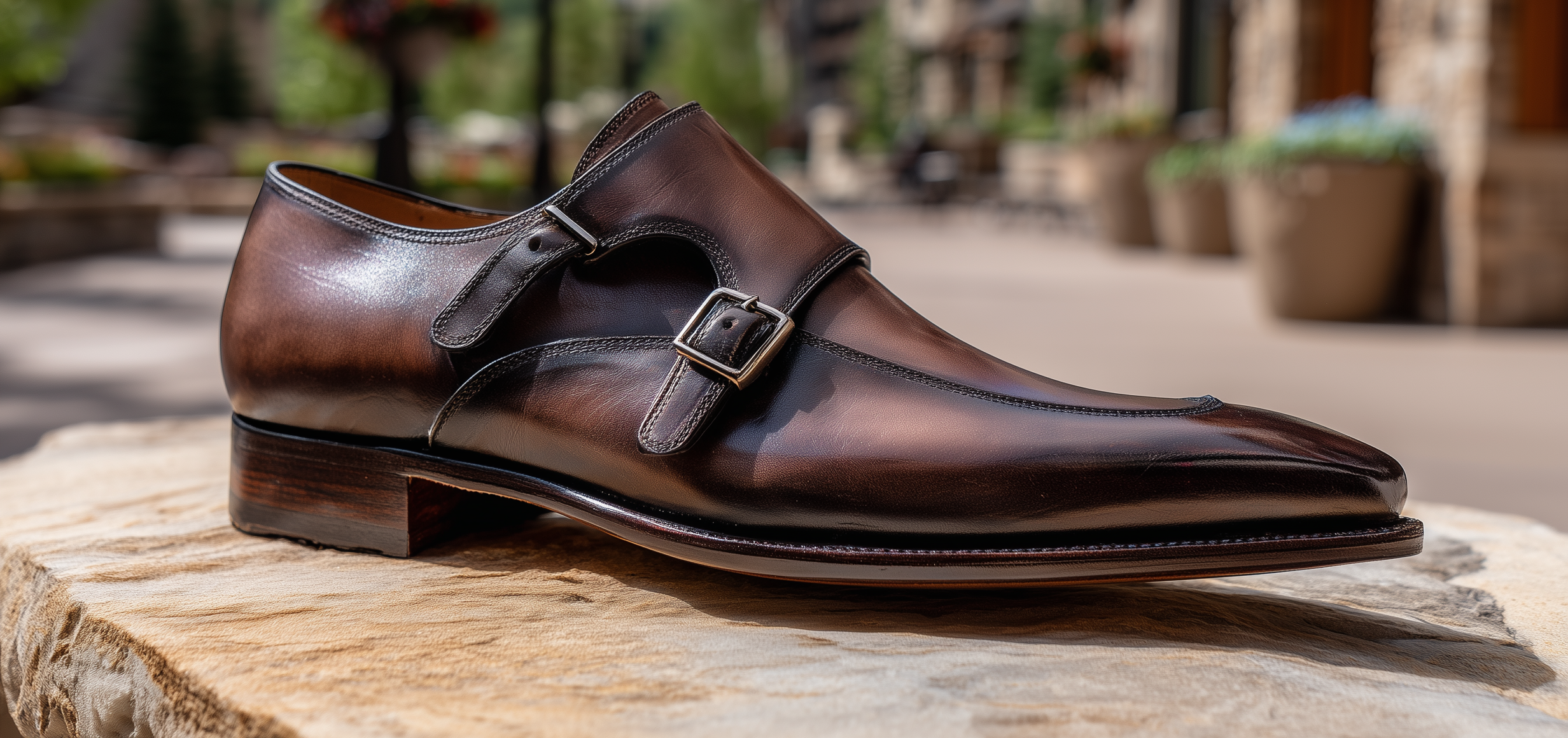
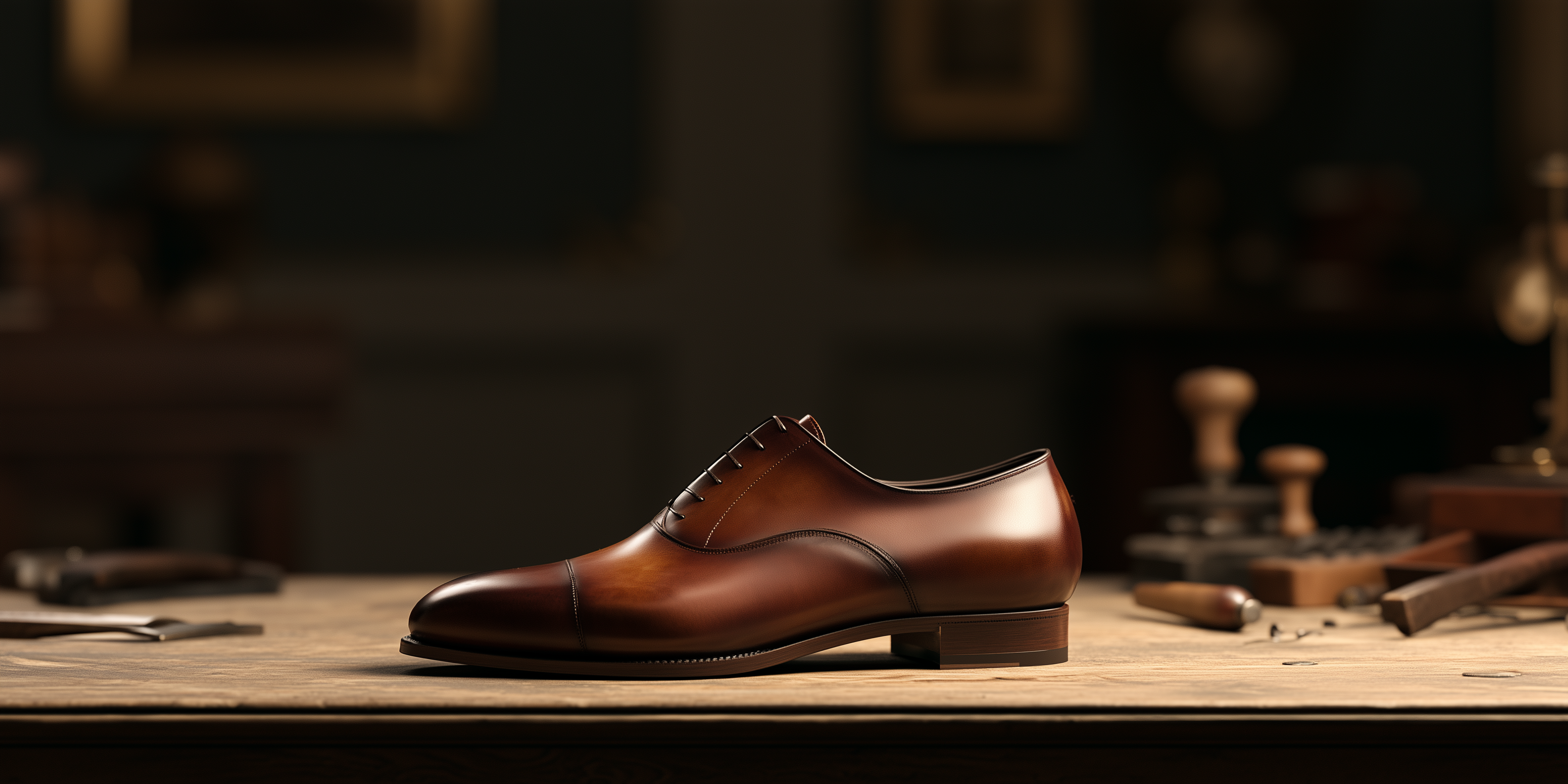
Dress shoes, typically oxfords, derbies, or loafers, are formal footwear often made from high-quality leather. Bespoke versions elevate this with custom lasts (foot-shaped forms), hand-stitched details, and premium materials. Why bother making them at home? For starters, it's cost-effective—professional bespoke pairs can cost $1,000-$5,000, while DIY versions might run $200-500 in materials. Plus, it's a rewarding craft that allows for total customization, from leather type to broguing patterns.
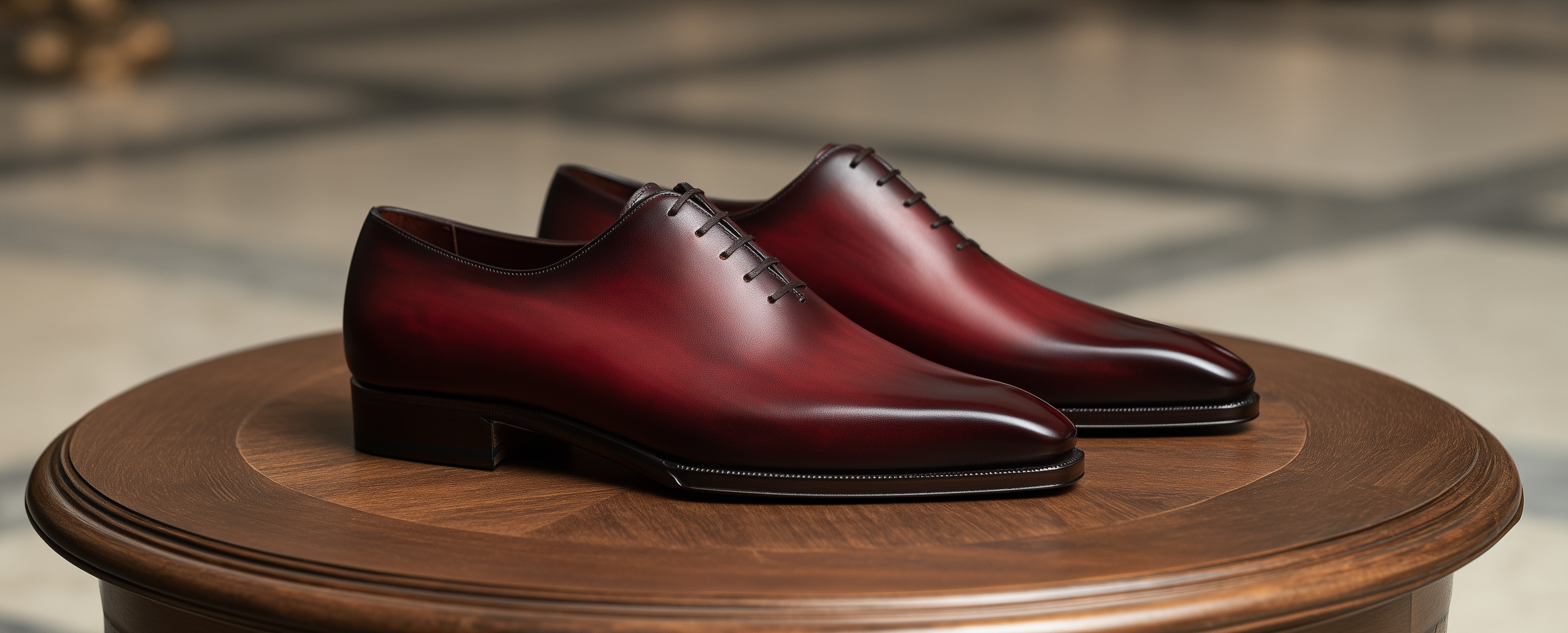
According to experts, the bespoke process ensures a perfect fit, reducing issues like blisters or uneven wear. It's also sustainable, as handmade shoes last longer than mass-produced ones. If you're new to shoemaking, start with simpler styles like a wholecut oxford to build skills before tackling intricate designs.
Essential Materials for Making Bespoke Dress Shoes
Gathering the right materials is crucial for success in the bespoke shoemaking process. High-quality components ensure durability, comfort, and that polished look. Here's a breakdown of what you'll need:
Leather and Fabrics
Pro tip: Always buy extra leather for mistakes—beginners often underestimate waste.Word count so far: ~650. We're building up.
- Upper Leather: The visible part of the shoe. Opt for full-grain calfskin or vegetable-tanned leather for its suppleness and patina potential. You'll need about 2-3 square feet per pair. Avoid cheap synthetics for authentic bespoke results.
- Lining Leather: Softer goat or sheepskin for the interior, providing breathability and comfort. About 1-2 square feet.
- Insole and Outsole Leather: Thick vegetable-tanned leather (8-10 oz) for the insole (base inside the shoe) and outsole (bottom). Source from suppliers like Keystone Leather or Acadia Leather.
- Stiffeners: Vegetable-tanned leather or thermoplastic for toe puffs (reinforces the toe box) and heel counters (supports the back).
- Rubber or Leather Soles: Leather for traditional dress shoes, or rubber for added grip. Pre-cut soles save time.
- Heel Stacks: Layers of leather (4-6 pieces) to build up the heel, typically 1-1.5 inches high for dress shoes.
- Welting Leather: Thin strips for Goodyear welting, a common construction method in bespoke shoes.
- Contact Cement or Rubber Cement: For bonding leather pieces without stitching.
- Thread: Waxed linen or polyester for hand-stitching; use heavy-duty for welts.
- Wax and Dyes: Beeswax for threads, edge dyes for finishing.
- Nails and Tacks: Brass or iron for lasting (shaping the shoe).
- Reinforcements: Shank (metal or fiberglass strip for arch support) and rand (leather filler for the sole edge).
shoemakingcoursesonline.com

Tools Required for Handmade Bespoke Shoemaking
You don't need a full workshop to start, but investing in quality tools will make the process smoother. Here's a beginner-friendly list based on expert recommendations:
Basic Cutting and Shaping Tools
Remember, sharp tools are safer—hone your knives regularly.
- Shoemaker's Knife or Skiving Knife: For precise cutting and thinning leather edges.
- Scissors and Shears: Heavy-duty for leather.
- Awl: Curved for piercing holes in stitching.
- Rasp and Files: For shaping soles and heels.
- Lasts: Wooden or plastic foot forms—customize by carving or building up with leather. Essential for bespoke fit.
- Lasting Pliers: Flat-nose for pulling leather tight over the last.
- Hammer: Shoemaker's hammer for nailing and tapping.
- Sewing Awl or Machine: Hand-sewing for authenticity, but a post-bed machine speeds up uppers.
- Bone Folder: For creasing and folding.
- Wing Dividers: For marking even lines.
- Sandpaper and Burnishing Tools: For smoothing edges.
- Glue Brushes and Pots: For even application.
shoemakersacademy.com

The Step-by-Step Bespoke Shoemaking Process
Now, the heart of our guide: the detailed steps to make bespoke dress shoes. This assumes a Goodyear-welted oxford style, but adapt for derbies or loafers. The process can take weeks, so pace yourself.
Step 1: Measuring Your Feet for a Custom Last
Everything starts with accurate measurements. Trace your feet on paper while standing, noting length, width, girth (around the ball and instep), and any asymmetries (most people have one foot larger).
- Use a Brannock device or tape measure for precision: Measure heel-to-toe, ball width, and arch height.
-
Create or modify a last: If buying stock lasts, build them up with wet leather strips to match your foot shape. Wet the leather, tack it on, and let it dry for a molded fit.
youtube.com
- Pro: Include allowances for socks (add 1/8 inch) and toe spring (slight upward curve).
Step 2: Designing and Pattern Making
Sketch your design: Decide on style (e.g., cap-toe oxford), broguing (decorative perforations), and color.
- Create patterns: Use paper or cardboard to draft the upper pieces (vamp, quarters, tongue). Tape them to the last for fit checks.
- Adjust for curves: Spring the pattern (slight outward flare) for better lasting.
- Cut mock-ups: Use cheap fabric to test before leather.
misiuacademy.com
- Trace patterns onto leather: Use a silver pen for dark hides.
- Cut precisely: Follow grain for strength; skive (thin) edges for seamless joins.
- Prepare stiffeners: Cut toe puffs and heel counters, skive, and apply.
Step 4: Assembling the Upper
Step 5: Lasting the Upper
- Stitch linings: Sew lining to upper pieces, right sides together.
- Add reinforcements: Glue and stitch toe puffs and heel counters.
- Close the upper: Sew quarters to vamp; add eyelets for laces.
doingfootwear.com
- Soak the upper in water (10-15 minutes) to make it pliable.
- Pull over the last: Start at the toe, using pliers to stretch and tack leather down.
- Pre-last: Shape roughly, then final last with nails every 1/2 inch.
- Dry overnight: This molds the shoe to the last.
Step 6: Welting and Insole Preparation
Step 7: Attaching the Outsole
- Prepare insole: Cut and channel (groove) for stitching.
- Welt the shoe: Stitch welt strip to upper and insole using an awl and waxed thread.
- Add filler: Cork or leather rand for the cavity between insole and outsole.
italianshoefactory.com
- Stitch outsole to welt: Use a rapid stitch or hand-sew for bespoke.
- Trim excess: Rasp and sand smooth.
- Add shank: For arch support.
- Stack layers: Glue and nail 4-6 leather pieces, shaping into a Cuban heel if desired.
- Position and attach: Nail to the sole, then shape with rasp.
-
Sand and burnish: For a refined curve.
gentlemansgazette.com
Step 9: Finishing Touches
- Remove from last: Carefully pull out nails.
- Dye edges: Apply ink for a clean look.
- Polish: Use wax and brushes for shine.
- Add insoles and laces: Custom orthotics if needed.
This full process yields a pair ready for formal occasions. Word count now: ~1800. Expanding further.
Common Mistakes to Avoid in Bespoke Shoemaking
Even seasoned makers err, but beginners often fall into these traps:
- Inaccurate Measurements: Misjudging foot size leads to ill-fitting shoes. Always measure both feet multiple times.
- Poor Lasting Technique: Not pulling leather tight causes wrinkles. Practice tension evenly.
- Wrong Heel Height: Mismeasuring creates imbalance—use a level surface.
- Overlooking Skiving: Thick edges make bulky seams; always thin overlaps.
- Rushing Drying Times: Wet leather needs 24+ hours to set, or shapes distort.
- Using Low-Quality Materials: Cheap leather cracks quickly—invest in veg-tanned.
-
Misaligned Patterns: Central lines off-center ruin symmetry.
shoemakingcoursesonline.com
- Excess Glue: Messy applications show; apply sparingly.
- Forgetting Nails: Leaving tacks inside is painful—double-check.
- Ignoring Safety: Sharp tools cause cuts; wear gloves.
Tips and Tricks for Crafting Bespoke Dress Shoes at Home
To elevate your craft:
- Start Simple: Begin with moccasins or stitch-down construction before welting.
- Work in Batches: Make multiple pairs to learn efficiencies.
- Customize Naturally: Use veg-tanned leather for molding to your feet over time.
- Sustainability Focus: Source ethical leathers; recycle scraps.
-
Join Communities: Forums like Reddit's r/Cordwaining offer advice.
reddit.com
- Maintenance: Clean and condition regularly for longevity.
- Experiment: Add personal touches like monograms or unique dyes.
- Time Management: Break into sessions—measuring one day, cutting the next.
- Budget Smart: Buy tools second-hand from eBay or local cobblers.
- Learn from Videos: YouTube tutorials on lasting and welting are invaluable.
Conclusion: Step Into Your Custom Creation
Congratulations—you now have a roadmap for how to make a pair of bespoke dress shoes step by step. From measuring to polishing, this shoemaking tutorial covers the essentials for handmade elegance. Bespoke dress shoes aren't just footwear; they're a statement of craftsmanship and individuality. Start small, learn from mistakes, and soon you'll have a wardrobe of custom fits.
If you're inspired, gather your materials and begin today. Share your progress in comments or on craft forums. Remember, the joy is in the journey. Happy shoemaking!

Leave a comment
This site is protected by hCaptcha and the hCaptcha Privacy Policy and Terms of Service apply.