

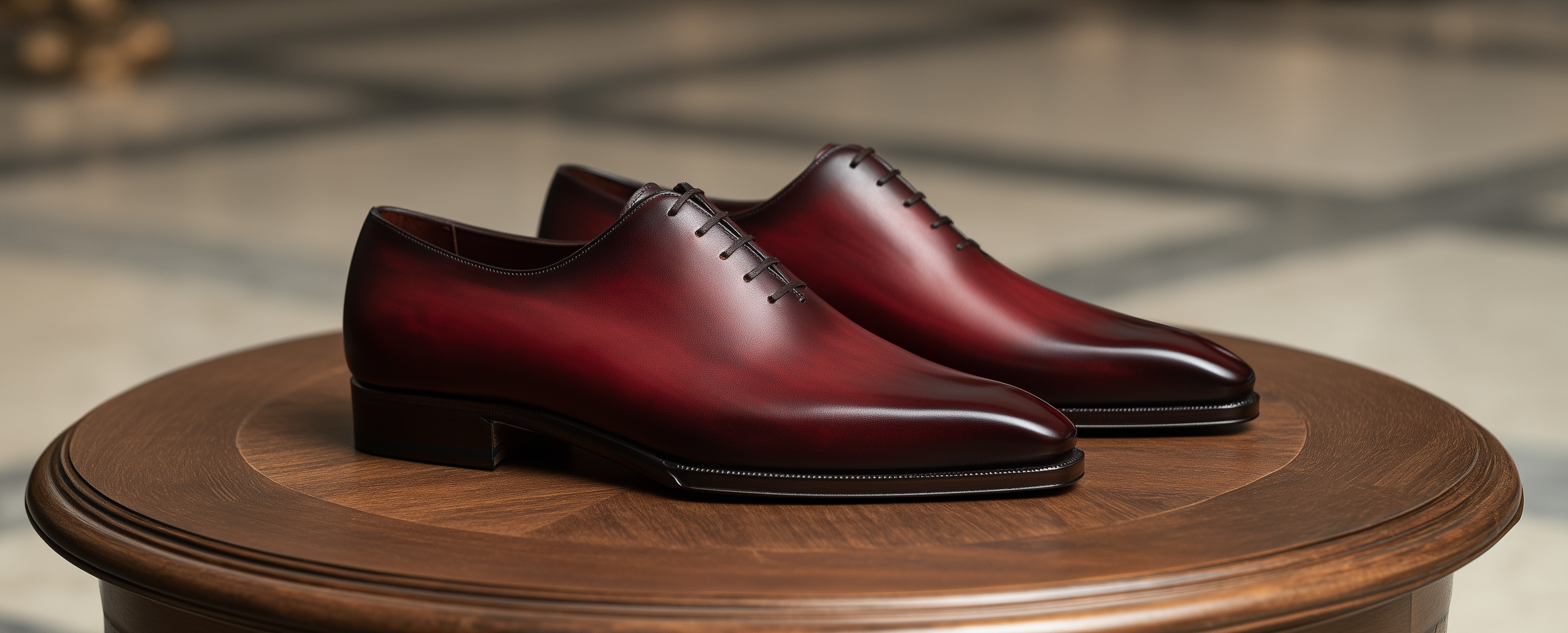
Why Standard Dress Shoes Fail Most Men — And How Custom Bespoke Shoes Deliver a Perfect Fit
Most men have never experienced a truly well-fitting pair of dress shoes. They have worn shoes that pinch at the toes, slip at the heel, create pressure across the instep, or leave the little toe crushed against the side. They accept these discomforts as normal. They break shoes in over weeks of painful wear. They buy multiple pairs in different sizes hoping one will work. They insert aftermarket insoles, use shoe stretchers, or simply endure.
This acceptance of mediocre fit is the result of a system that was never designed for individual feet. Standard sizing is a statistical compromise built around averages that do not reflect the majority of real human feet. Custom and true bespoke dress shoes reverse that equation. Instead of forcing the foot into a pre-existing shape, they build the shoe around the unique geometry of the wearer.
This article examines why conventional sizing fails so many men, the specific anatomical issues that cause problems, how to measure feet properly, and exactly how a personal last and professional fitting process solve these issues permanently.
The Illusion of Standard Sizing
Modern shoe sizing systems originated in the nineteenth and early twentieth centuries. The Brannock device, still widely used today, measures length and width in a relatively crude way. Most ready-to-wear manufacturers then translate those measurements into a limited number of lasts the wooden or plastic forms over which shoes are made.
These lasts are designed around population averages. A typical men’s size 10D last assumes a certain length, a certain ball girth, a certain heel width, and a certain instep height. In reality, feet vary far more than the standard size run allows. Research and practical experience from shoemakers consistently show that a large percentage of men have feet that fall outside the “average” parameters used by factories.
Common discrepancies include:
- One foot longer or wider than the other (almost universal to some degree)
- Higher or lower arches than the last anticipates
- A wider forefoot relative to the heel (common in many populations)
- Bunions, hammer toes, or other bony prominences
- A higher instep that makes lacing difficult or creates pressure
- A narrower heel that causes slipping even when the length is correct
When a manufacturer produces thousands of pairs on a limited set of lasts, these variations are simply ignored. The result is shoes that fit “well enough” for some customers and poorly for many others. The industry has responded with half sizes, multiple widths (B, D, E, EE, EEE), and stretchable materials, but these remain blunt instruments. They cannot address the three-dimensional relationship between length, volume, and shape that determines true comfort.

Common Fit Problems and Their Causes
Wide feet and the “too long or too tight” dilemma Many men with wider feet are forced to size up in length to gain width. This creates excess length in the toe box, heel slippage, and a shoe that looks and feels clumsy. Others stay in their correct length and endure compressed toes and restricted circulation. Neither solution is satisfactory for a dress shoe that must look refined and remain comfortable through a full workday.
Narrow feet and heel slip Men with narrow heels often find that even a correctly sized shoe slips at the back. The foot slides forward, causing the toes to jam into the front. Thick socks or heel grips offer temporary relief but rarely solve the underlying mismatch between the last and the foot.
High arches and instep pressure A high arch or high instep can make the top of the shoe press uncomfortably even when the length and width are correct. Standard lasts often lack sufficient volume in this area. The wearer feels the laces cutting in or the tongue creating a hotspot.
Bunions and irregular shapes Bunions, tailor’s bunions, and other bony prominences require localized room. Mass-produced shoes cannot provide a targeted pocket of space without distorting the overall shape of the shoe. The result is either pressure on the bunion or an unattractive, overly rounded toe box.
Length discrepancies between feet It is extremely common for one foot to be half a size or more longer than the other. Ready-to-wear shoes force a compromise: the longer foot is cramped or the shorter foot floats. Over time this imbalance can contribute to posture issues and uneven wear.
These problems compound in dress shoes because formal lasts tend to be more elegant and therefore less forgiving than casual or athletic lasts. A sleek Oxford has less internal volume than a sneaker. There is simply less margin for error.

How to Measure Your Feet Properly
Accurate measurement is the foundation of any successful custom or bespoke order. While a professional maker will take far more detailed measurements, understanding the basics helps clients communicate effectively and evaluate the process.
The classic tool is the Brannock device. It measures:
- Heel-to-toe length
- Heel-to-ball length (important because the flex point of the shoe should align with the ball of the foot)
- Width at the ball
Stand with full weight on the foot being measured. Measure both feet. Record the larger measurements. Note the time of day feet swell slightly as the day progresses, so late-afternoon measurements are often more realistic for all-day wear.
Advanced makers go further. They take circumferential measurements at multiple points (ball, waist, instep, heel), assess arch height, observe the foot in motion, and create precise tracings or 3D scans. Some still use plaster casts. The goal is not merely length and width but a complete three-dimensional map of volume and shape.
Clients can prepare by noting specific pressure points in existing shoes, photographing their feet from multiple angles, and describing how their feet feel after several hours of wear. This information is invaluable.
How Custom and Bespoke Shoes Solve Fit Problems
The decisive advantage of true custom and bespoke work is the personal last. Instead of selecting the closest existing factory last, the maker creates (or heavily modifies) a last that matches the client’s feet.
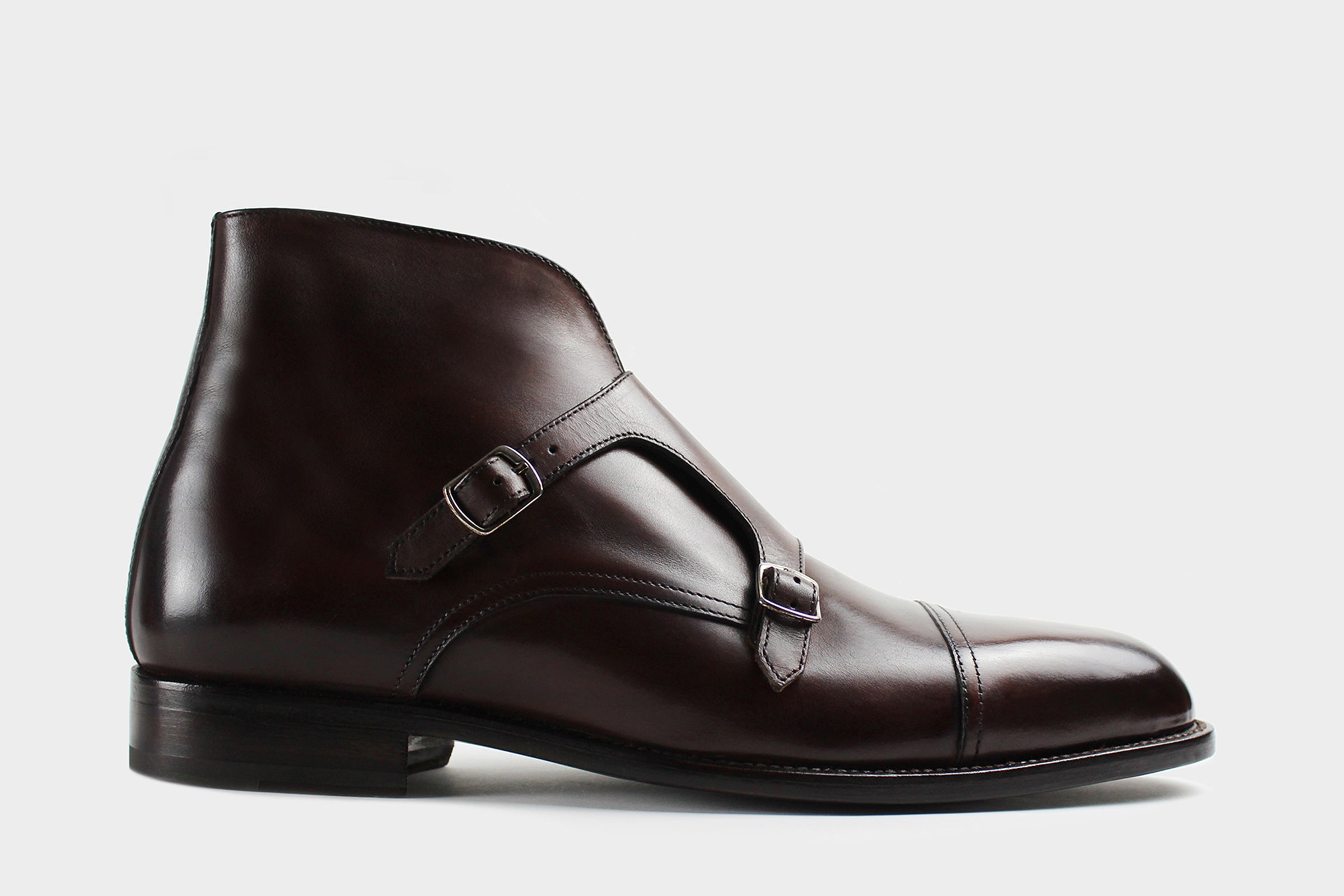
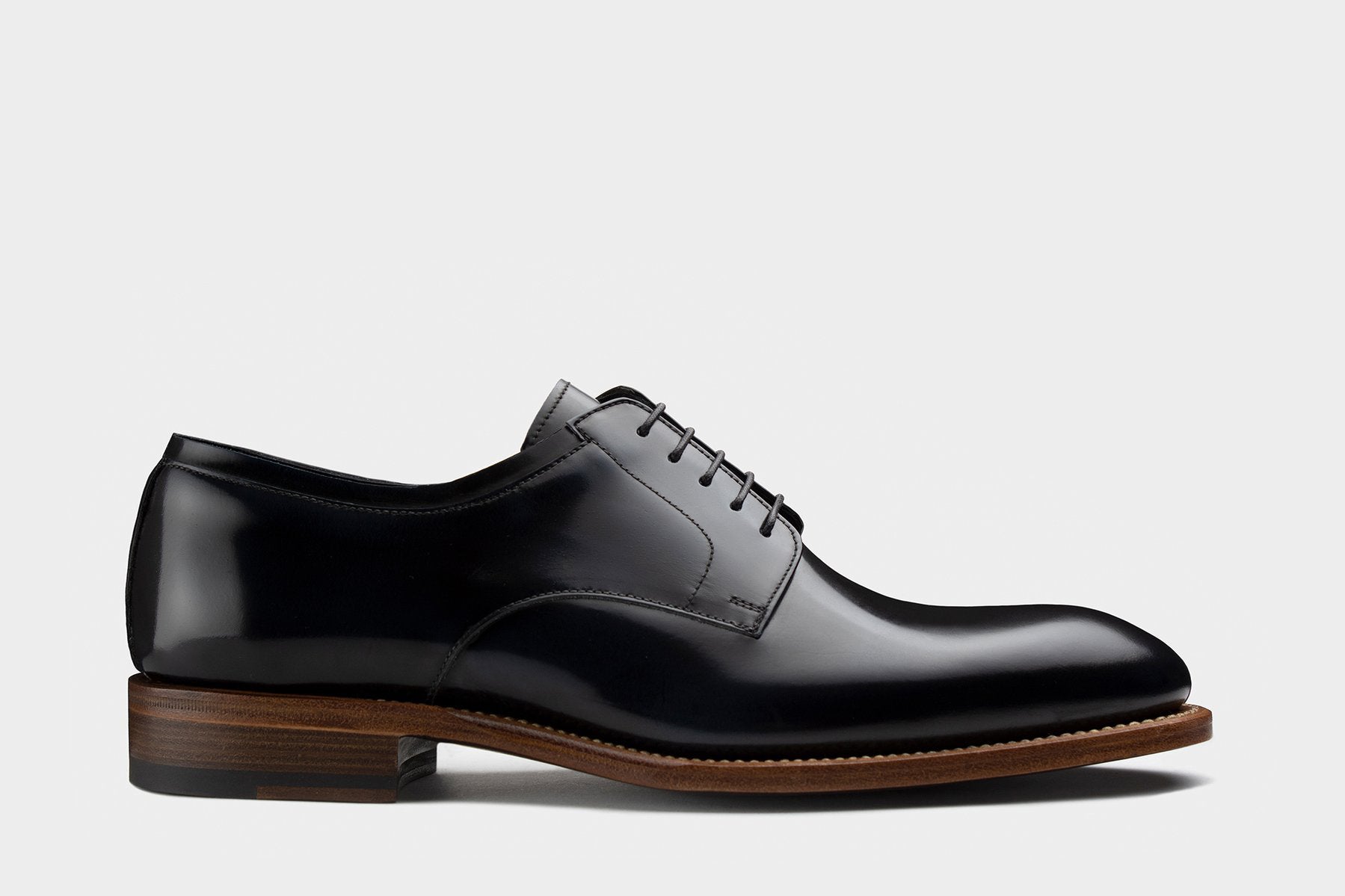
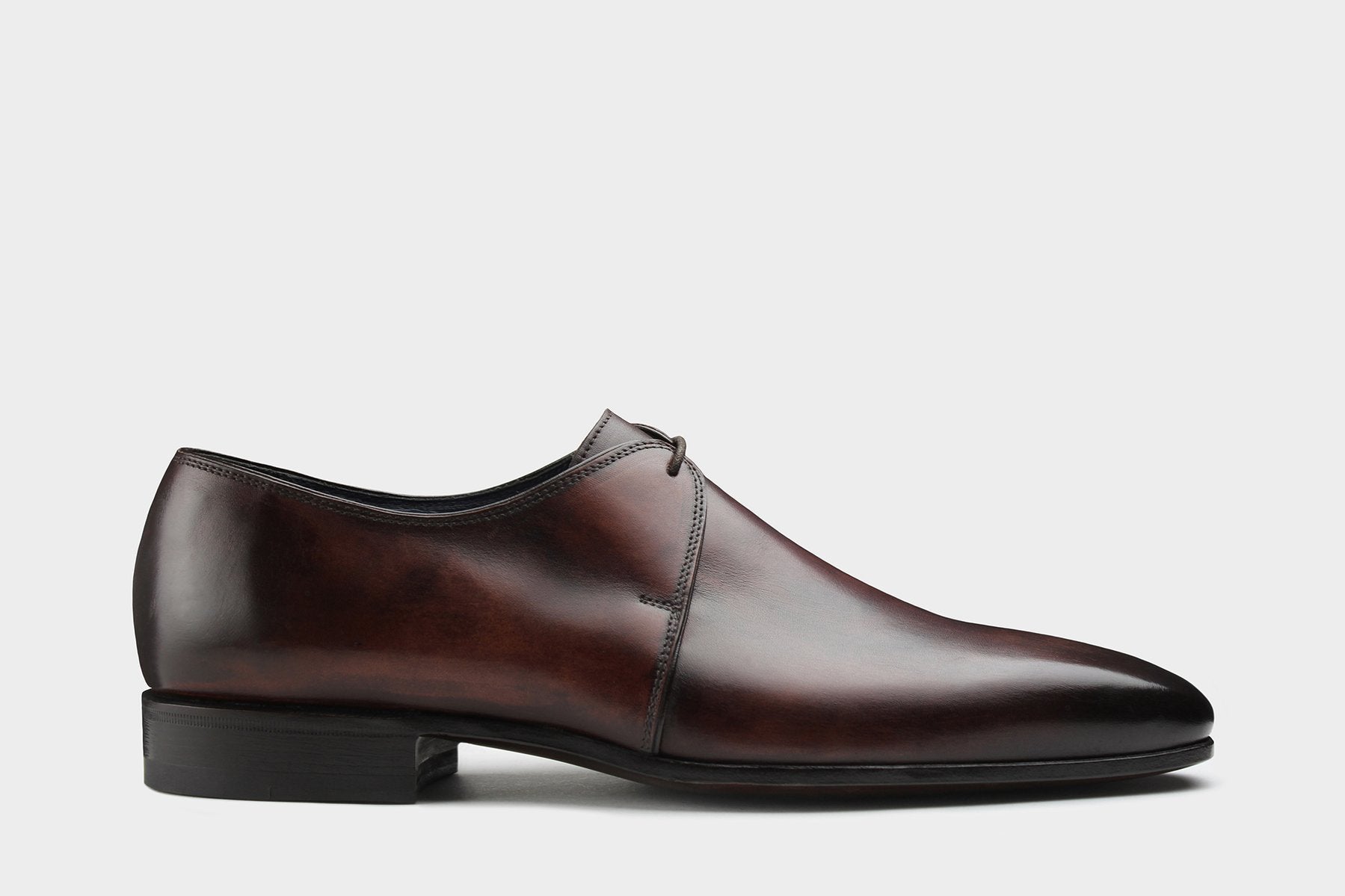
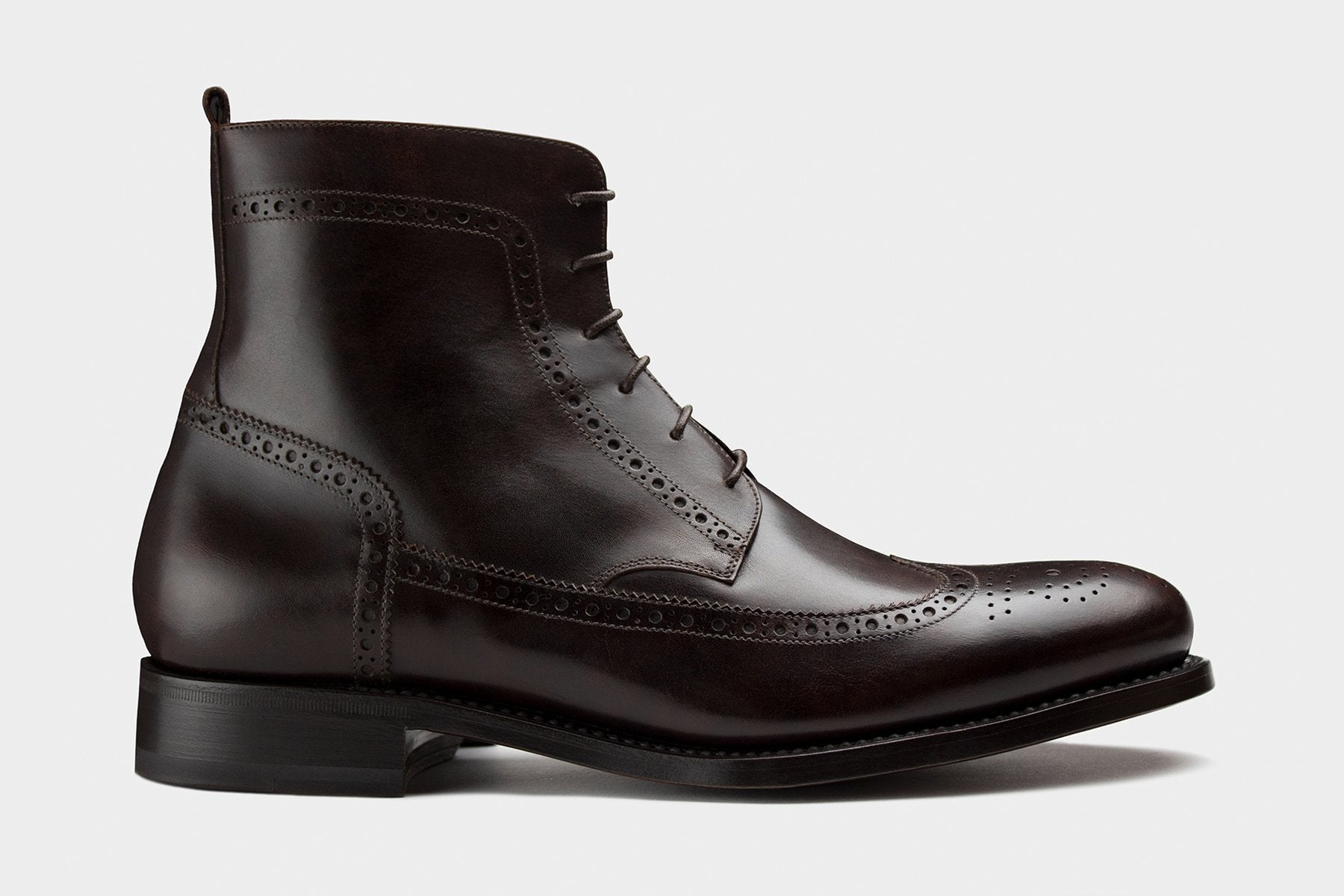
In full bespoke work, a last maker carves or machines a pair of lasts specifically for the individual. These lasts incorporate the exact length difference between feet, the precise ball girth, the heel shape, the arch profile, and allowances for the way the foot expands during walking. The style of the shoe Oxford, Derby, monk strap influences the final shape, but the underlying geometry remains faithful to the wearer.
This iterative process is why genuine bespoke shoes often require several months for a first pair. The time is spent eliminating the compromises that define ready-to-wear footwear.
Even high-quality made-to-measure programs that start from a library of existing lasts and then modify them offer a significant improvement over standard sizing. They cannot match the precision of a fully personal last, but they still address many common width, volume, and asymmetry issues that off-the-rack shoes ignore.
Realistic Expectations About Break-In
One of the most persistent myths is that high-quality leather dress shoes must be painful to break in. With a properly fitted custom or bespoke pair, the break-in period is dramatically reduced or eliminated.
Because the shoe is built to the foot’s actual dimensions and volume, there is little need for the leather to stretch in uncomfortable ways. The upper should feel secure but not tight from the first wearing. The sole and heel may feel slightly stiff initially, particularly with traditional leather soles, but this stiffness resolves with wear rather than through painful pressure points.
Clients sometimes report that a new pair of bespoke shoes feels “different” rather than uncomfortable a sensation of precise support rather than the vague pressure of an ill-fitting ready-to-wear shoe. Within a few days of normal wear the shoes settle into a natural partnership with the feet.
This does not mean that leather never changes. High-quality full-grain leather will continue to mold subtly to the wearer’s gait over months and years, improving an already excellent fit. The difference is that the starting point is correct rather than approximate.
The Long-Term Value of a Perfect Fit
A shoe that fits properly does more than eliminate pain. It improves posture, reduces fatigue during long days, and allows the wearer to move with confidence. It also lasts longer because the foot does not fight the shoe. Uneven pressure that causes premature creasing, sole wear, or upper distortion is minimized.
For men who wear dress shoes daily, the cumulative effect is substantial. Hours of mild discomfort add up. A pair of shoes that feels right from the moment they are put on changes the experience of formal and business dressing.
The personal lasts created for a client become a permanent asset. Future pairs can be ordered with confidence that the fit will be consistent. Small adjustments can be made as feet change slightly with age, but the foundation remains.
Conclusion
Standard dress shoe sizing is a system of averages applied to individuals. For a significant portion of men, those averages produce compromise at best and chronic discomfort at worst. Wide feet, narrow heels, high arches, bunions, and length discrepancies are not anomalies they are common variations that factory lasts cannot accommodate.
Custom and bespoke shoes solve these problems at the source by building the footwear around the actual shape and volume of the wearer’s feet. Through detailed measurement, personal last making, and iterative fittings, the maker eliminates the pressure points, slippage, and volume mismatches that plague ready-to-wear shoes.
The result is not merely a more comfortable shoe. It is a fundamentally different relationship between foot and footwear one in which the shoe supports rather than constrains, and in which comfort and elegance coexist without compromise.
For any man who has spent years accepting that dress shoes must hurt before they become wearable, the alternative is clearer than ever: stop adapting your feet to the shoe, and start having the shoe built for your feet.

Leave a comment
This site is protected by hCaptcha and the hCaptcha Privacy Policy and Terms of Service apply.